The Interval, a Ma Journal: Ninety Days to Making Room for the Pause
Built on ma, the Japanese sense of the meaningful pause. One prompt a day, on a tablet with a stylus or on paper with a pen.
Both editions ask you to leave the gaps unfilled, rather than fit more in.
Digital: yours within the minute · Paperback: delivered anywhere
- Grounded in research on the pause before reacting
- One of eight journals in the Cultural Reflection Collection
- Full refund within 14 days on the digital edition
Twenty seconds inside the journal
The digital edition in use — a morning prompt, answered by hand while the coffee is still warm. Tap to play, with sound.
One page, one intention, one still moment.
Most journals ask you to add something
A gratitude list. Then a habit tracker. Then a morning routine stacked on top of the morning you already have. This ma journal, by contrast, asks where the room went. In the end, that difference shapes every prompt inside.
Optimise the day, fill the gaps, track the streak. It asks you to do more with the same hours, and it tends to produce pressure.
Notice the interval, leave it unfilled, let it do its work. It asks you to make room in the same hours, and it tends to produce attention.
After all, ma is not absence. It is, rather, the quality of the space between things. It sits within the wider collection of eight journals.
What ma actually means
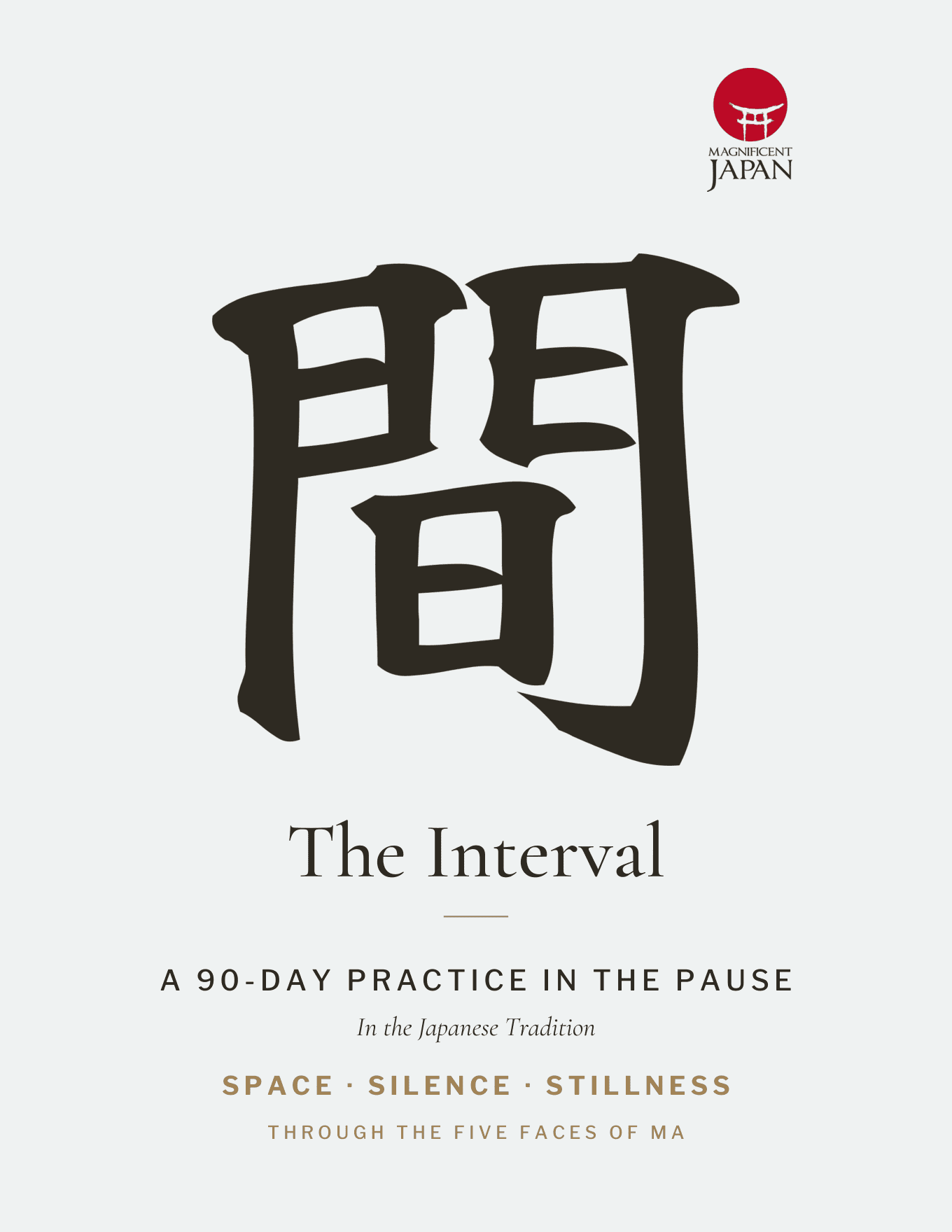
Ma 間 means gap, space, interval and pause. In fact, the character shows light through the gap in a gateway. English renders it as negative space, or interval, though no single word fits.
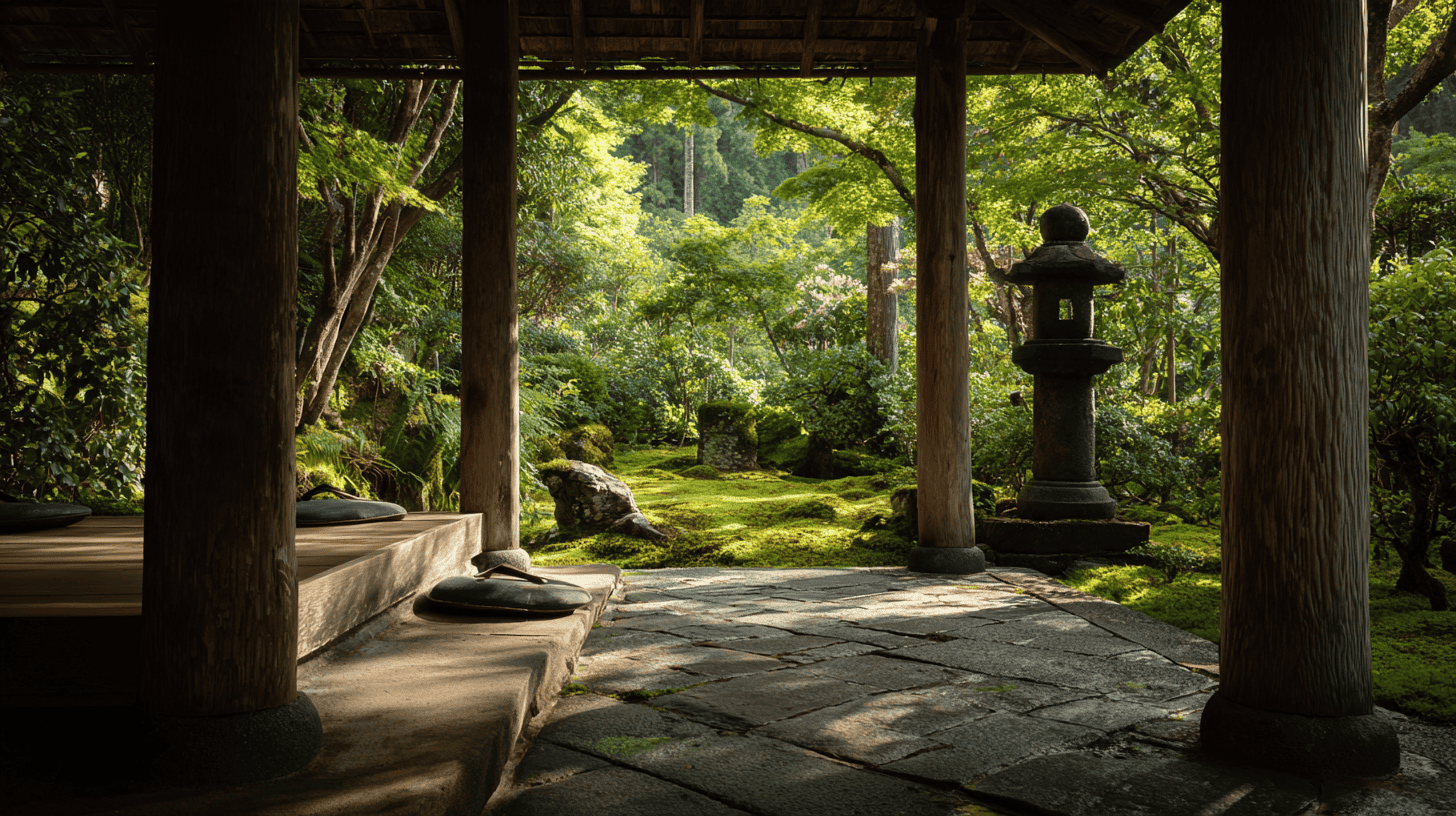
It shapes the tea room, the garden and the Noh stage. Likewise, musicians say the silence between the notes is where the music lives. Ma is not absence, then, but the space that gives everything else its shape.
Five faces, ninety days
The prompts move through five faces of ma, each returning every fifth day. Research on emotion finds that even a brief, deliberate pause reduces reactive behaviour. Similarly, attention recovers with genuine rest, not with switching tasks. You do not study the faces. Instead, the prompts teach them, asking each one of you in turn and deepening as the weeks go on.


What the ma journal includes
Both editions carry the same ninety-day structure. The digital edition is a write-on PDF for GoodNotes, Notability, Noteshelf, or any annotation app. The paperback, meanwhile, puts the same practice on paper.
- Ninety daily prompts — one a day, across three months
- Twelve weekly syntheses — a look back at each week
- Three monthly reviews — the longer view across each month
- Two Beginning pages — revisited on Day Ninety, side by side
- Tap-through navigation — side tabs and day links, in the digital edition
- Research foundations — the sources, and where to read further
Begin the practice
One journal, two editions, one price. Choose the screen or the page. The ninety days are the same, and both are built to be returned to, not read through.
Not sure yet? Read the real first week before you decide.
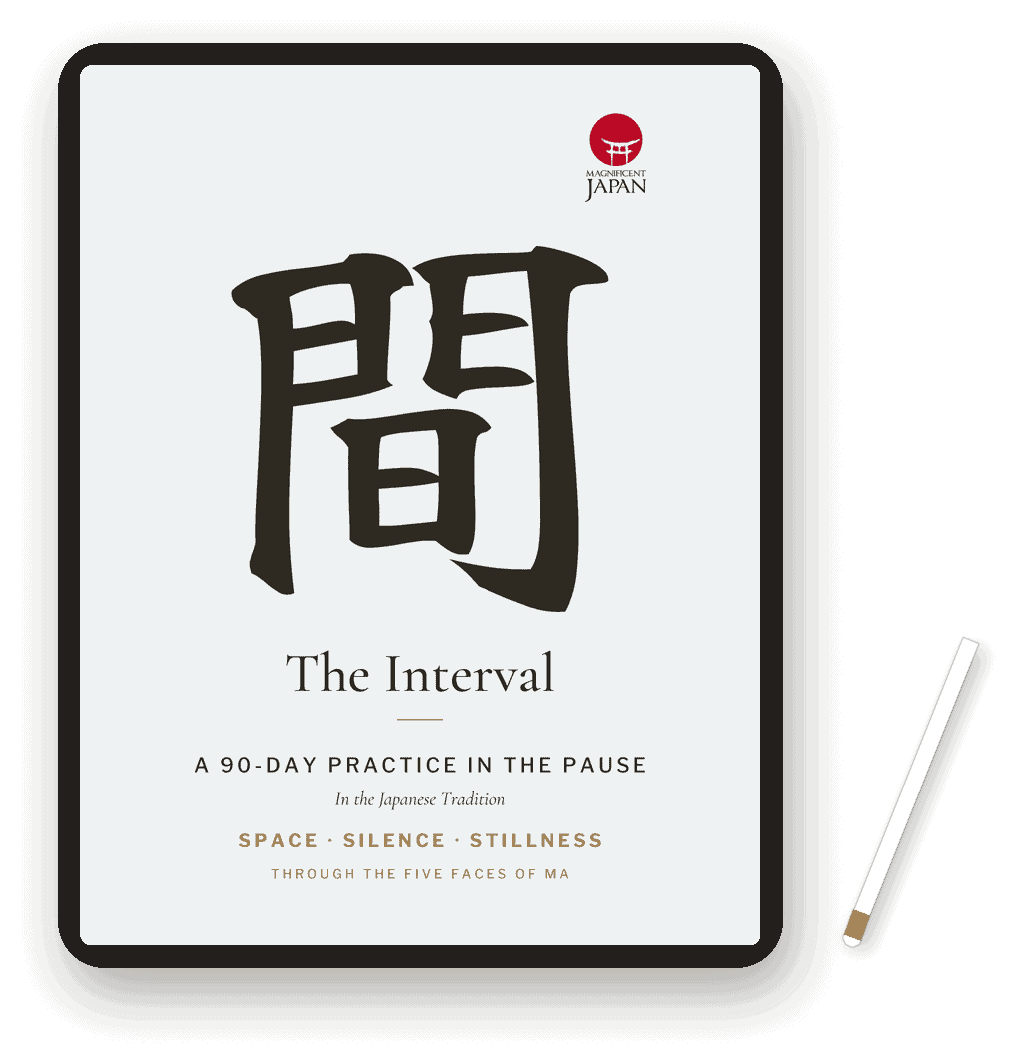
A write-on PDF for iPad and tablet, with tap-through side tabs and links to any day. Yours the moment you order.
The Digital EditionYours within the minute · Every major tablet app · Full refund within 14 days
The same ninety days in print. A matte-cover paperback for the desk, the bag, and the shelf it will one day join.
The Paperback EditionDelivered anywhere · Retailer’s standard returns · Part of the Cultural Collection
Look inside
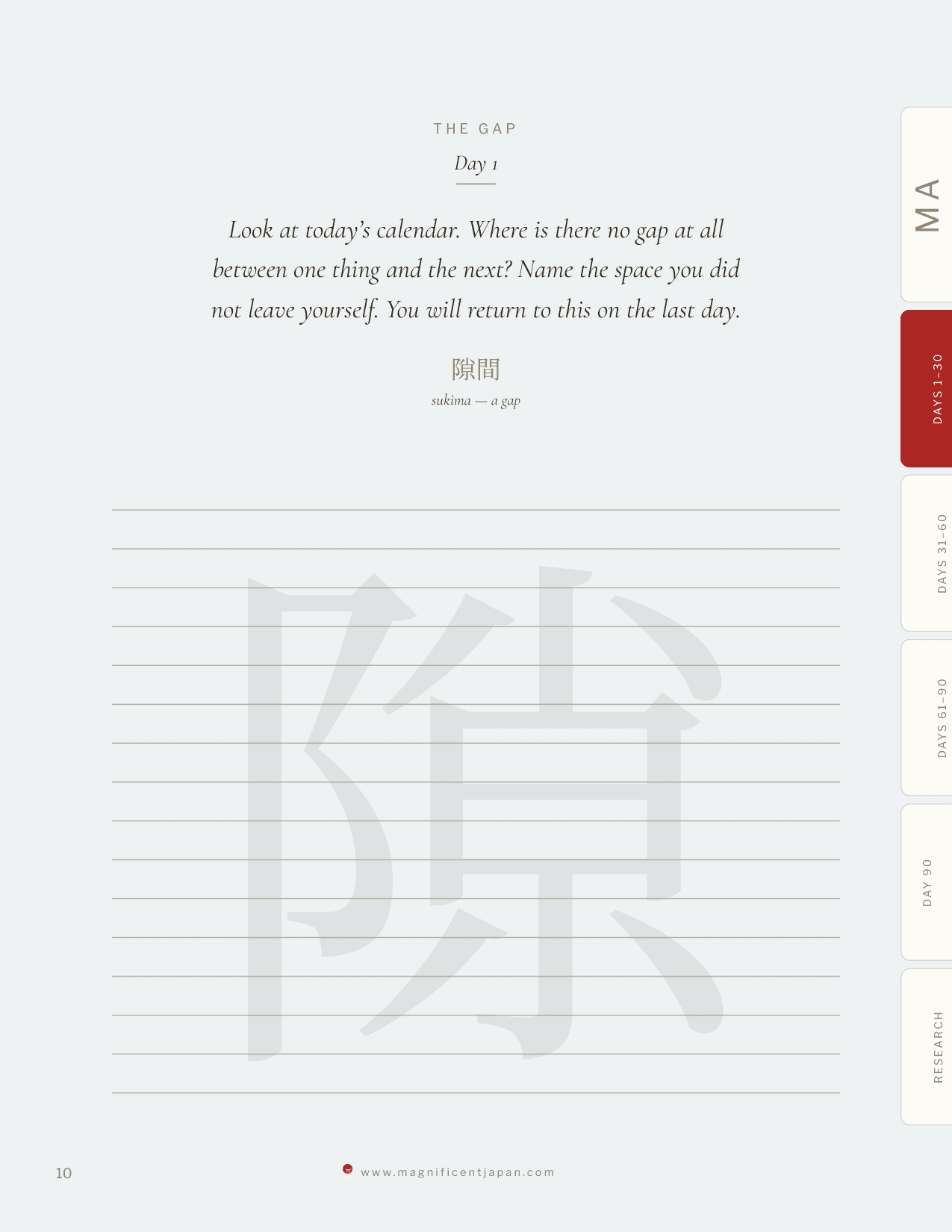
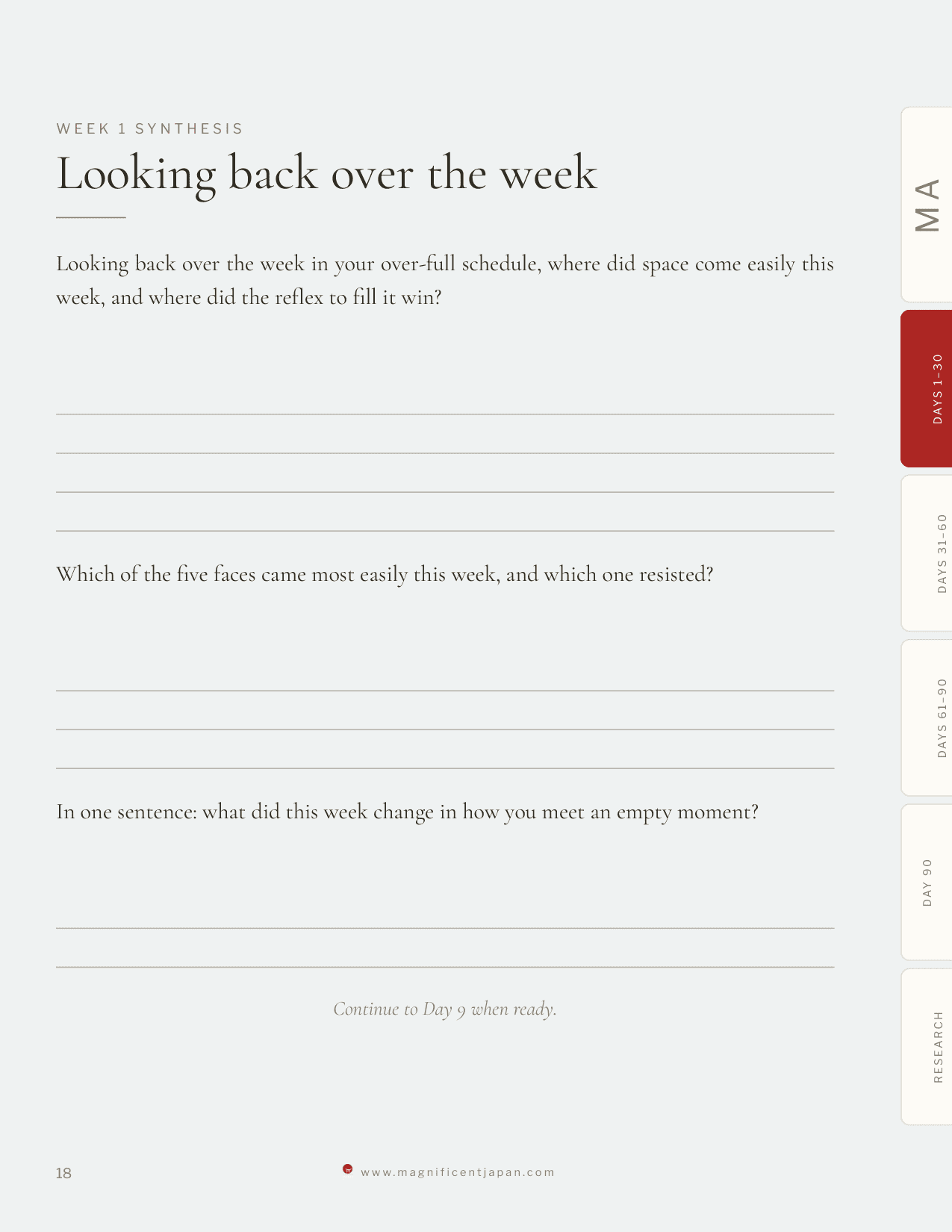
Three pages, shown full size. A Beginning page you return to on Day Ninety, a daily prompt, and a weekly synthesis. Tap any page to open it larger. The pages are the same in both editions.
How it works
What ninety days does
A single prompt rarely changes much. Ninety of them, in sequence, do. First, the early weeks ask small questions, such as where today left no gap at all. Meanwhile each week sits in a different part of an over-full life, from your schedule to conversation, rest and work.
By Day Ninety you hold three things you did not have on Day One. Twelve weekly syntheses, each naming where space came easily and where the reflex to fill it won. Three monthly reviews, each a longer look across four weeks. And a Day Ninety reflection that sets your Beginning pages beside your last answers. The distance between them is the whole point.
Try seven days first
The seven-day sampler is the real first week of the practice, as a write-on PDF for your tablet. Read it before you decide; it follows by email.
One email a fortnight. Unsubscribe any time.Where the practice comes from
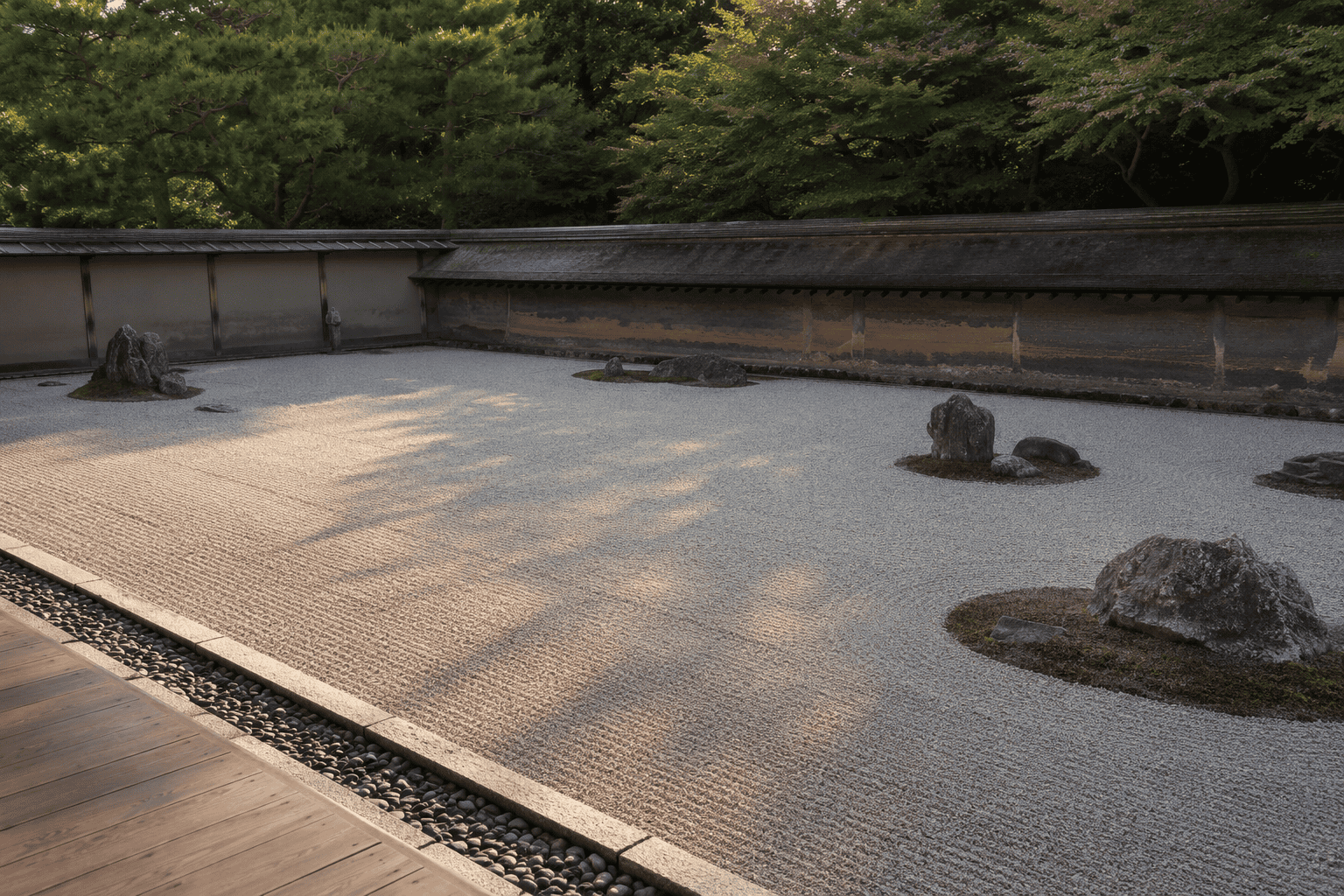
The intervals this journal asks you to notice were, for those who first wrote about ma, Japanese ones. A pause on the Noh stage. Gravel between the stones. A moment in the tea room where nothing happens and everything is held.
The practice works wherever you sit with it. Yet once it settles, some readers want to stand inside the unhurried Japan it draws from. That is a journey worth shaping with care.
Slow mornings, a still tea room, a ryokan where the day softens. When you would like to step into the Japan this practice draws on, tell us. Then we shape the journey around how you want to travel.
Begin a Custom ItineraryQuestions Worth Asking
Is this a digital journal or a paper book?
Both. The Interval comes as a write-on digital PDF for tablet annotation apps. It also comes as a paperback print edition that ships worldwide. Both carry the same ninety days at the same price.
Which apps does the digital edition work in?
GoodNotes, Notability, Noteshelf, Penly, Xodo, and Samsung Notes. The side tabs and links also work in any app that opens annotatable PDFs.
Do I have to journal every day?
No. The practice is built around returning to it, not around a perfect streak. You can move at your own pace in either edition.
Is this a wellness or clinical tool?
No. It is a reflective writing practice rooted in a Japanese aesthetic idea. It makes no clinical claim, and it does not replace professional care.
Choosing your edition
Should I choose the digital or the paperback edition?
Choose digital if you write with a stylus. The tap-through side tabs and day links only work inside an annotation app. Choose the paperback if you prefer pen on paper. It is the same ninety-day practice in print, and it also ships worldwide.
Will there be more journals?
Yes. The Interval belongs to the Magnificent Japan Cultural Reflection Collection. The collection now runs to eight ninety-day journals, each built on a single Japanese concept.
What is a ma journal?
A ma journal is a guided notebook for noticing the space between things in your day. It gives you a short prompt each day, so you write a few lines instead of facing a blank page. Over weeks, the entries show where you fill every gap, and where room has returned.
How long does the ma journal take each day?
Most entries take five to fifteen minutes. Each day has one prompt, answered in a few lines. So the practice fits before work, over lunch or in the evening. A weekly look back takes a little longer, and the journal runs for ninety days in total.
What if the journal is not for me?
The digital edition carries a 14-day refund policy: ask within 14 days of purchase and you receive a full refund. The paperback is sold through the retailer and follows its standard returns policy. Before either, the seven-day sampler lets you read the real first week.
Part of a longer practice
The Cultural Reflection Collection holds this ma journal among eight guided practices. Each is rooted in a single Japanese concept, on screen or on paper.
Digital: yours within the minute, full refund within 14 days · Paperback: delivered anywhere