Themed cafes in Japan range from playful to precise. One room serves coffee through a robot steered from another city. Another pours tea from a butler in a tailcoat. A third has served nothing but coffee since 1948. Each one runs on a single idea, carried out with real conviction.
That conviction is the draw. A Japanese cafe rarely stops at good coffee. Instead, it builds a small world around the cup, with its own uniform, music and manners. Some of those worlds are gentle and nostalgic. Others are loud, cute or theatrical. So choosing well is the whole skill.
This guide covers the kinds worth your time today, from old kissaten to avatar robot cafes and well-run animal rooms. It also explains booking, seating charges and the house rules that surprise first-time visitors. For the wider city, start with our Tokyo experiences worth planning around. Then return here for the afternoons in between.
What are themed cafes in Japan?
They are cafes and restaurants built around one concept, such as robots, butlers, animals or Showa-era nostalgia. Most sit in Tokyo, especially in Akihabara, Ikebukuro, Ginza and Harajuku. Many need a reservation, charge a seating or entry fee, and set time limits and photo rules. Older kissaten simply charge for what you order.
Before the list, one note on tone. Older guides to this subject read like a carnival program, full of neon and novelty. Much of that world has closed, and the rooms that remain are more thoughtful. Some are decades old and almost solemn about coffee. Others use technology to open work to people who cannot commute. So read this as a guide to character rather than spectacle. The best rooms reward curiosity, good manners and a little planning.
Why Japan Builds Cafes Around a Theme
The habit began long before the robots. In the twentieth century, the kissaten served as a shared living room for the city. Owners chose the music, the chairs and the coffee with great care. Customers came for the mood as much as the drink. In a sense, every good kissaten already had a theme: the owner’s taste.
Then, in the early 2000s, Akihabara turned the idea into performance. Maid cafes gave fans a costumed welcome and a scripted greeting. After that, the format spread across Tokyo. Owners built rooms around owls, cats, vampires and butlers. Meanwhile, older kissaten kept their velvet chairs and siphon brewers, and a younger generation rediscovered them.
Space also explains a great deal. Tokyo apartments are small, so friends meet in cafes rather than at home. A strong theme gives a small room a reason to exist. It also gives guests something to talk about. Above all, it turns a coffee into an outing, which suits a city that loves a well-made experience.
Today the themes fall into a few families. There are nostalgic rooms, playful rooms, animal rooms and conceptual ones. Each family has its own etiquette. Learn which one you are entering, and the visit goes smoothly from the door. The sections below follow those families in turn, starting with the oldest.
The Kissaten: Where the Themed Cafe Began
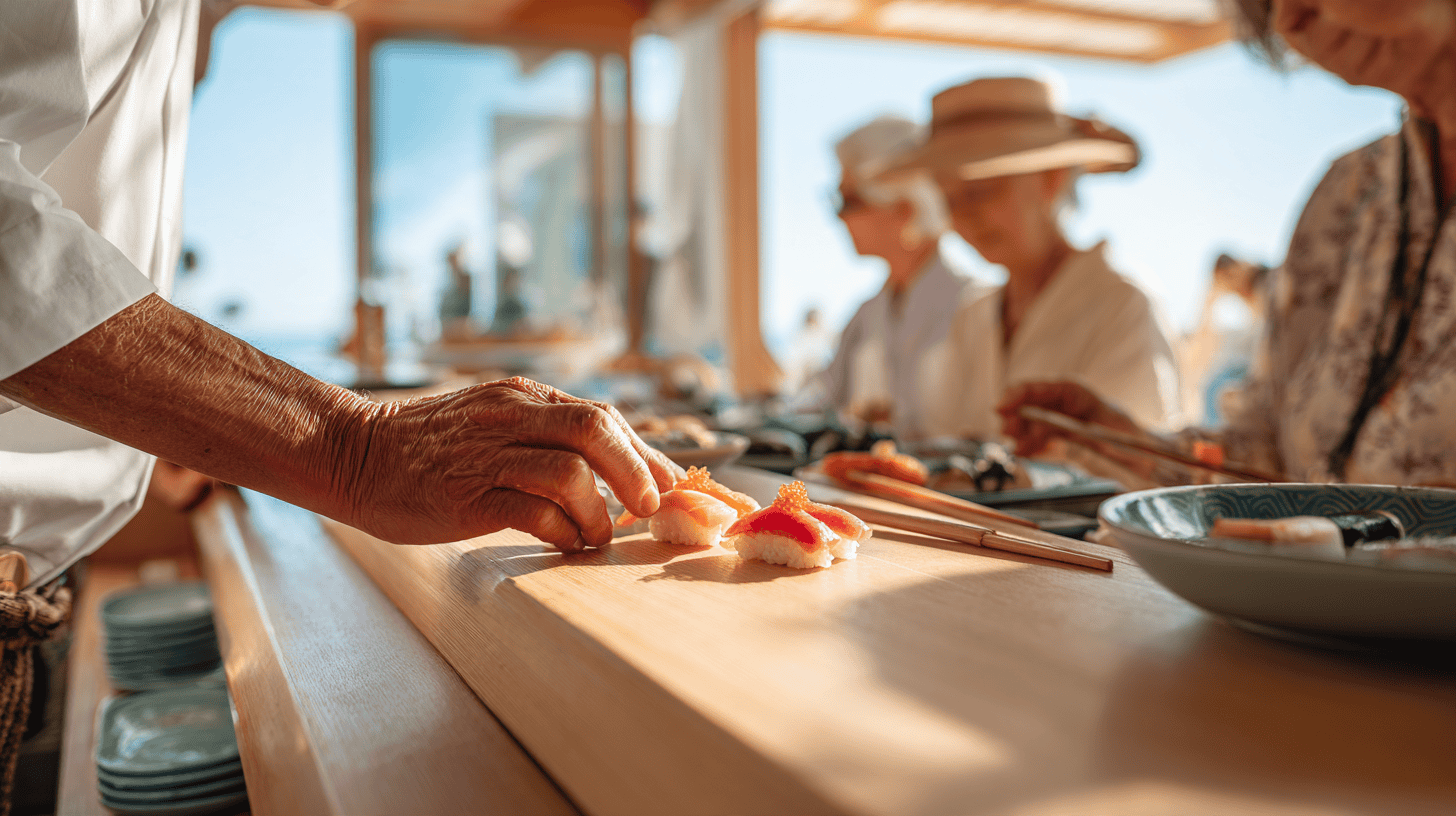
A kissaten is a traditional Japanese coffee house. Think dark wood, low lamps and a counter where the owner brews each cup by hand. The menu is short, and the room changes little from decade to decade. For many travelers, it becomes the most memorable cafe of the trip, precisely because nothing is staged.
In Ginza, Café de L’Ambre has served coffee since 1948. Its founder, the late Ichiro Sekiguchi, built the shop around one rule, posted by the door: coffee only. Regulars line the counter, and the room feels more like a bar for coffee than a cafe. Expect a short wait, cash at the register and a cup that tastes of patience.
Kyoto holds the grandest example. François Kissashitsu opened in 1934, beside the canal near Kawaramachi Station. Its designers imagined the room as the grand hall of an ocean liner. In 2003 it became the first cafe registered as a national Tangible Cultural Property, as Kyoto’s official travel guide notes. It fits neatly into two well-paced days in Kyoto, ideally on a rainy afternoon.
What to order in a kissaten
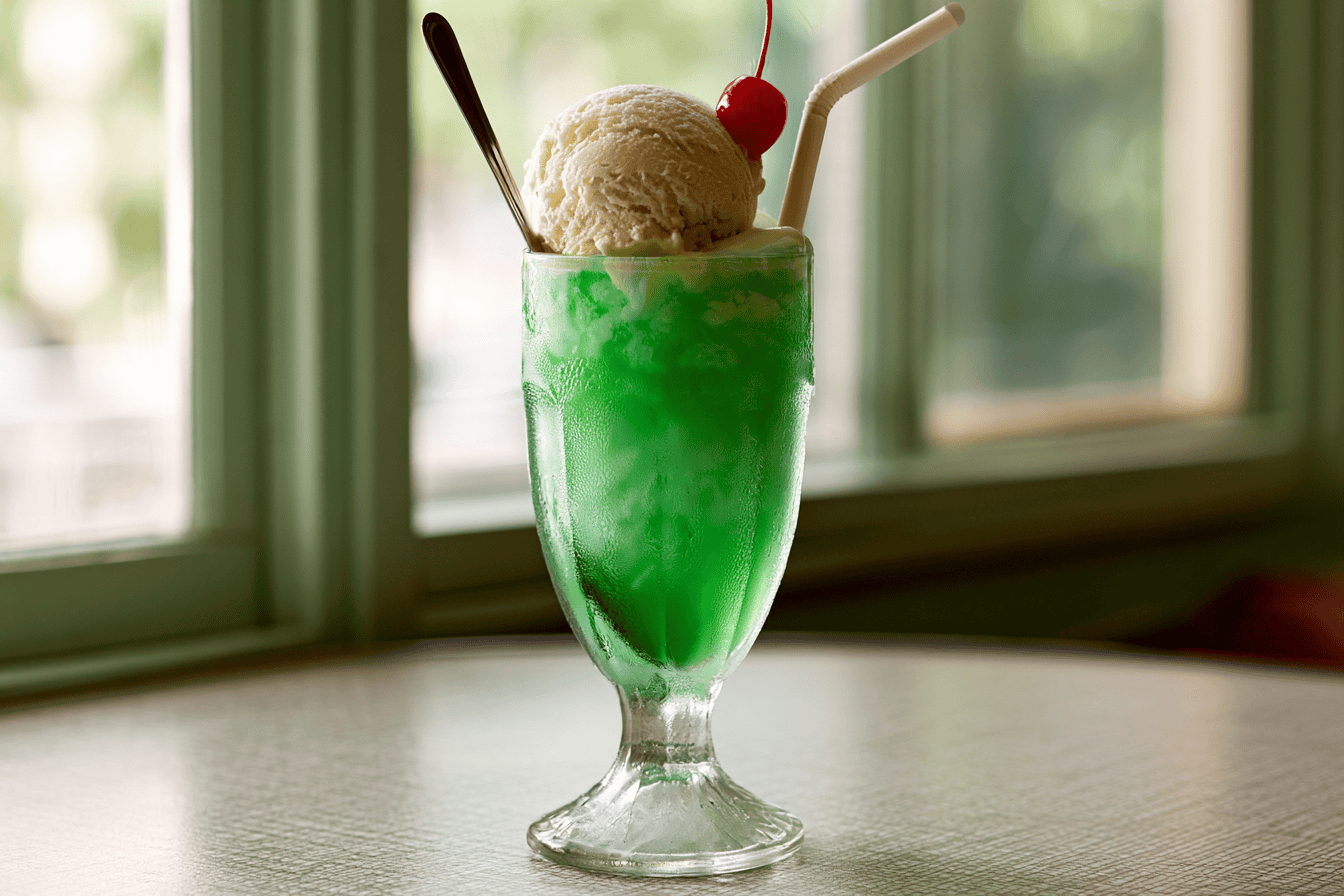
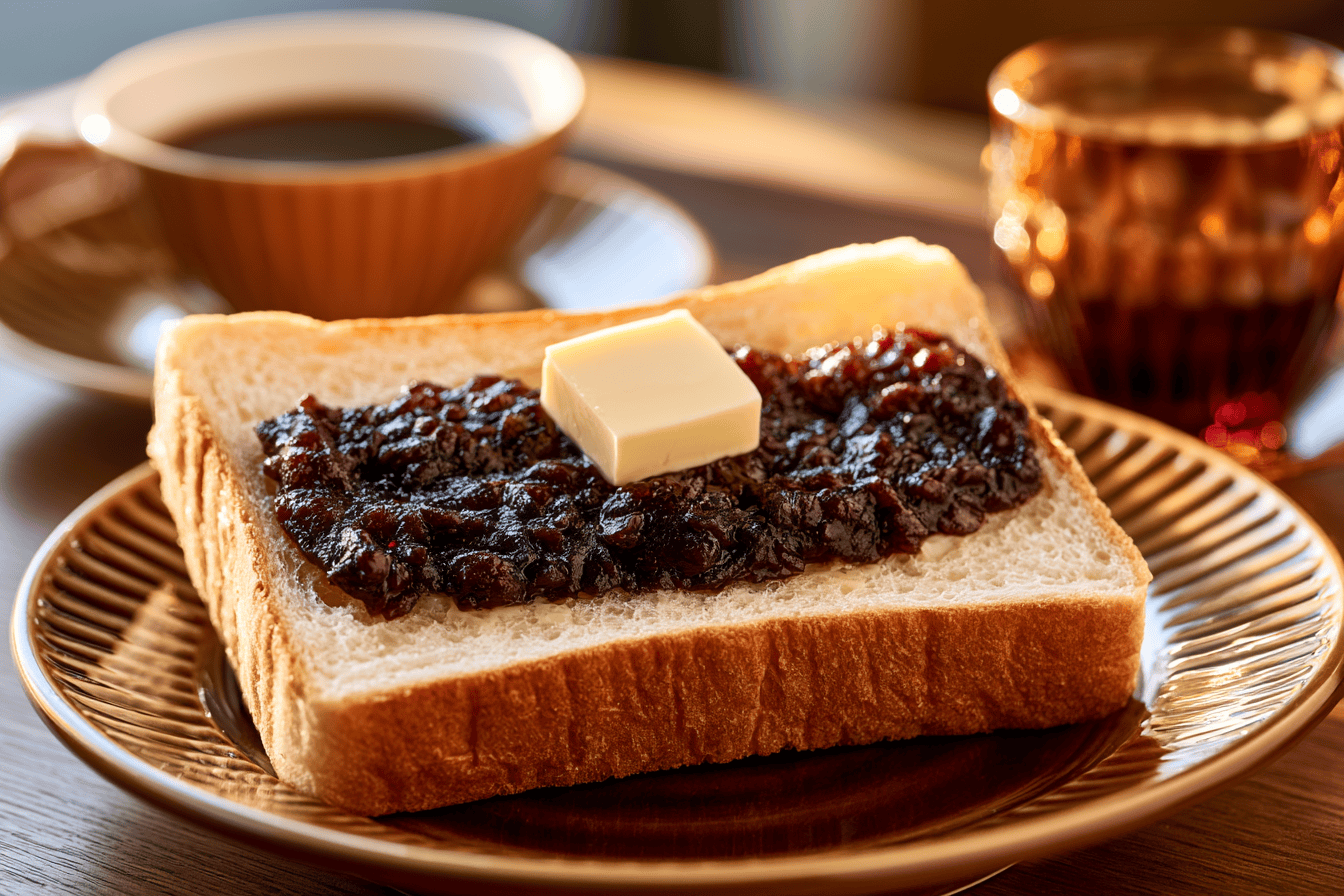
Kissaten food is its own small cuisine. Thick toast arrives with butter and sweet red bean paste, a Nagoya habit called ogura toast. Pudding a la mode stacks a firm custard with cream and fruit. Napolitan spaghetti, cooked with ketchup, tastes of another era. None of it is fashionable, and that is precisely the point.
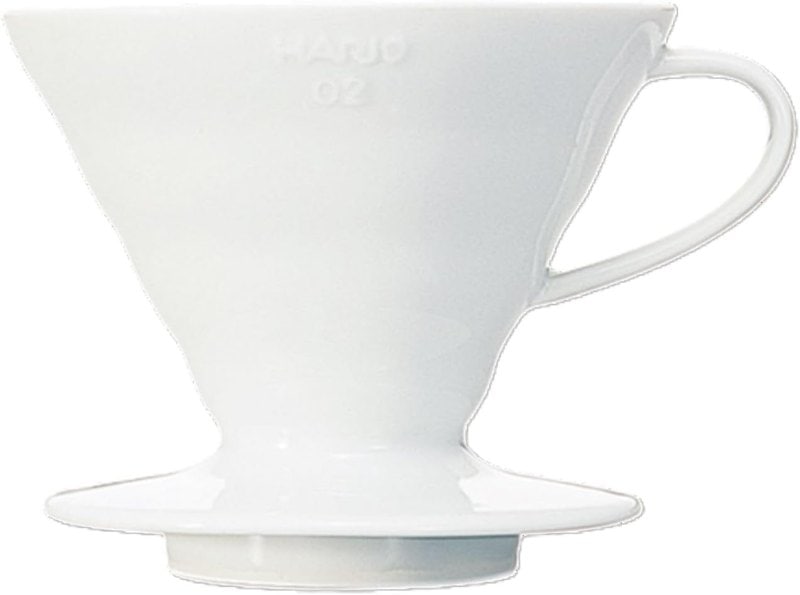
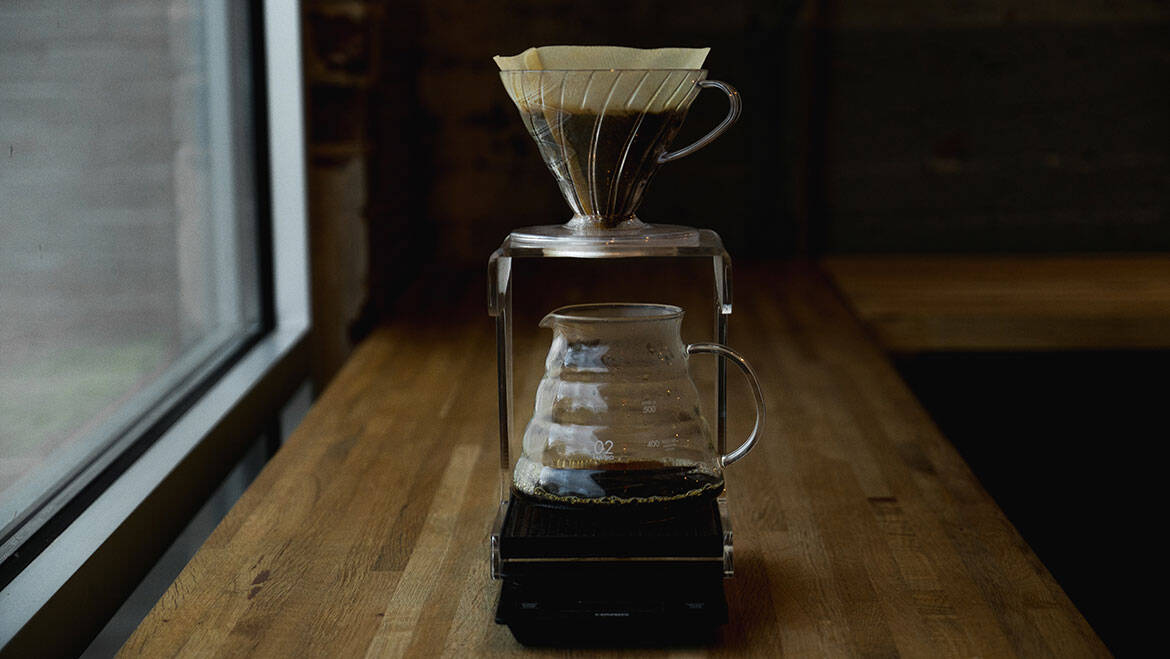
Hand-drip brewing is the habit worth bringing home. The ceramic Hario V60 coffee dripper is the cone you will see on many Tokyo counters. Its spiral ribs and single wide hole let you control the pour. As a result, each cup tastes the way you brewed it, which is the kissaten idea in miniature.
Kissaten also reward a slower pace. Most allow a long stay over one cup. Some still permit smoking in a corner, so ask for a non-smoking seat if it matters. Cash remains common in older rooms. Above all, keep your voice low and your phone face down, as the regulars do.

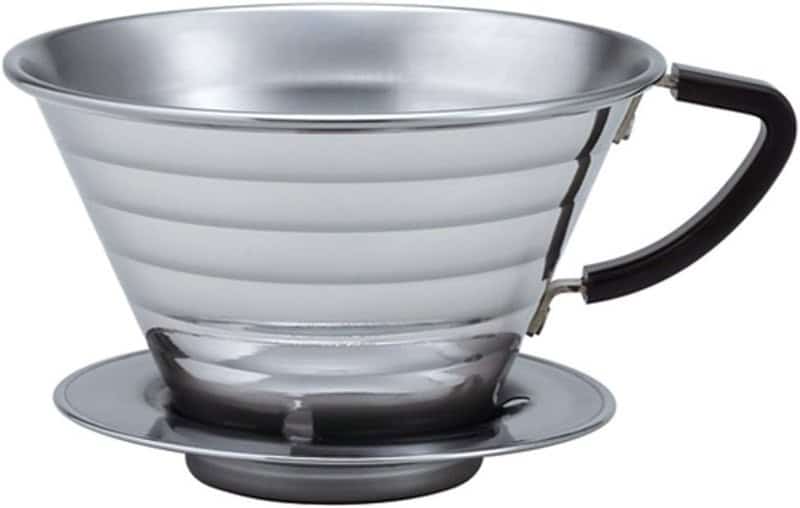
If you prefer a flatter bed of coffee, the Kalita Wave 185 dripper is the other Japanese classic. Its flat base and three small holes give an even, forgiving extraction. Many cafe owners keep both on the shelf and choose by bean and mood. Either one makes a morning at home feel like a counter seat in Ginza. Start with a medium roast, a slow pour and a little patience. Then adjust the grind until the cup tastes the way you remember it.
You may also like
Robot and Avatar Cafes
Robots are the theme visitors ask about most, and here the story has changed. The famous robot cabaret in Shinjuku closed during the pandemic and never reopened. In its place stands something far more interesting. Today the best-known robot cafe in Tokyo puts real people behind the machines, and the work they do is the point.
Avatar Robot Cafe DAWN sits in Nihonbashi, close to the old merchant streets. Its robots, called OriHime, are steered remotely by pilots, many of whom cannot easily leave home for work. Each robot shows its pilot’s name, and you can chat while you order. The Tokyo Metropolitan Government’s profile of the cafe counts around seventy pilots.
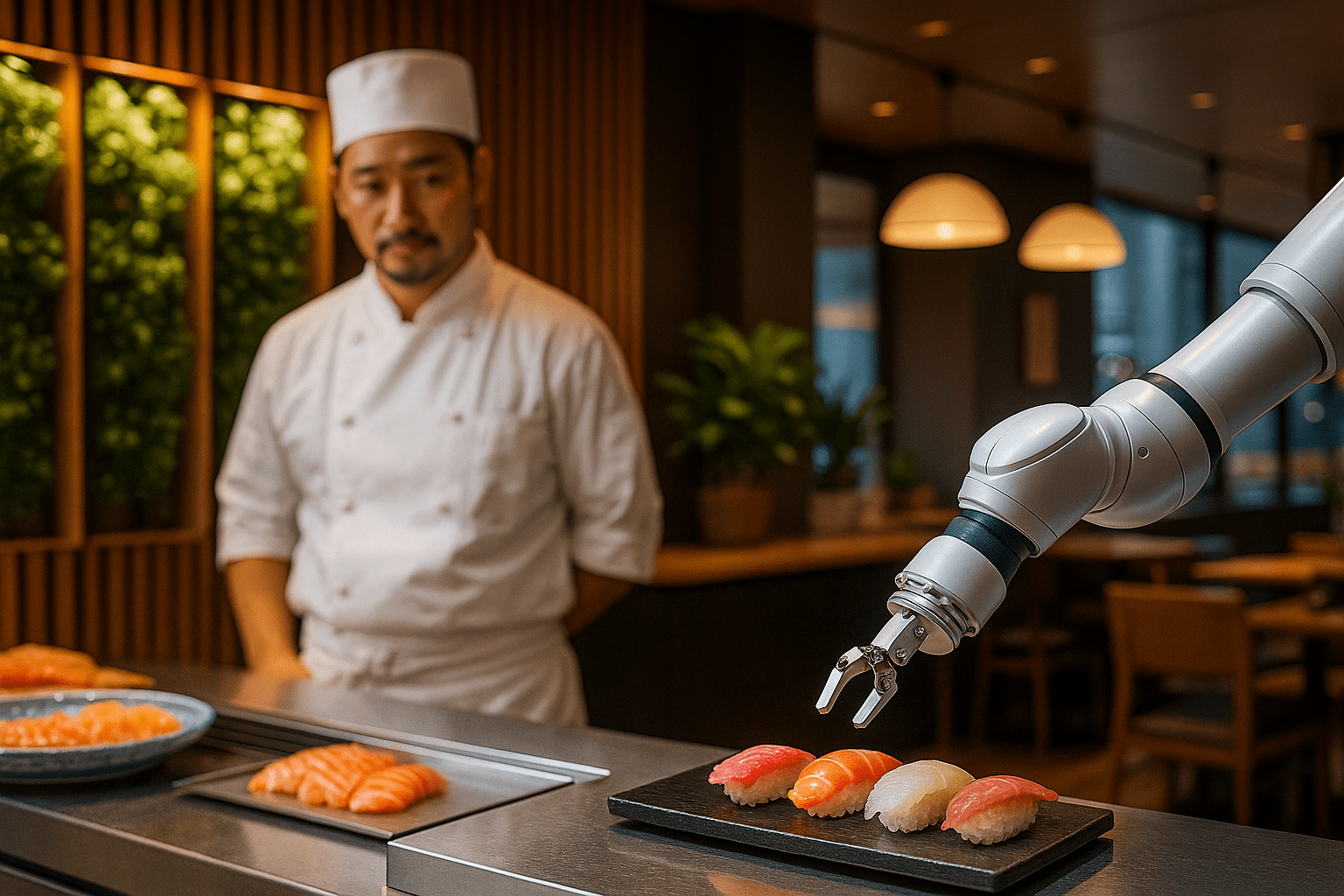
The experience feels warm rather than futuristic. A tall robot glides to your table, and a voice from Fukuoka, or from overseas, asks about your day. Some sessions feature a remote barista who brews coffee to order. Check the official site before you go, because the hours and booking slots change from October 2026.
Robot cafes pair well with the rest of Nihonbashi, one of the city’s oldest shopping districts. Department stores, knife shops and dashi makers line the nearby streets. Many travelers prefer that mix of old and new across a single day. A custom Japan itinerary can pair a morning kissaten with an afternoon in Nihonbashi and a dinner nearby.
Elsewhere, robots appear in smaller roles. Some restaurants use them to carry plates, and a few cafes run robotic baristas behind glass. These are pleasant novelties rather than destinations. If robots are your main interest, plan around DAWN and treat the rest as chance encounters. That keeps the day focused, and it leaves room for the stranger themes ahead.
Maid and Butler Cafes, Handled With Tact
Maid cafes divide opinion, and it is fair to say so. At their best, they offer cheerful, costumed theater with songs and decorated omurice. At worst, they feel awkward for everyone. So go with the right expectations. This is a performance for fans, run with strict rules about touching, photos and time.
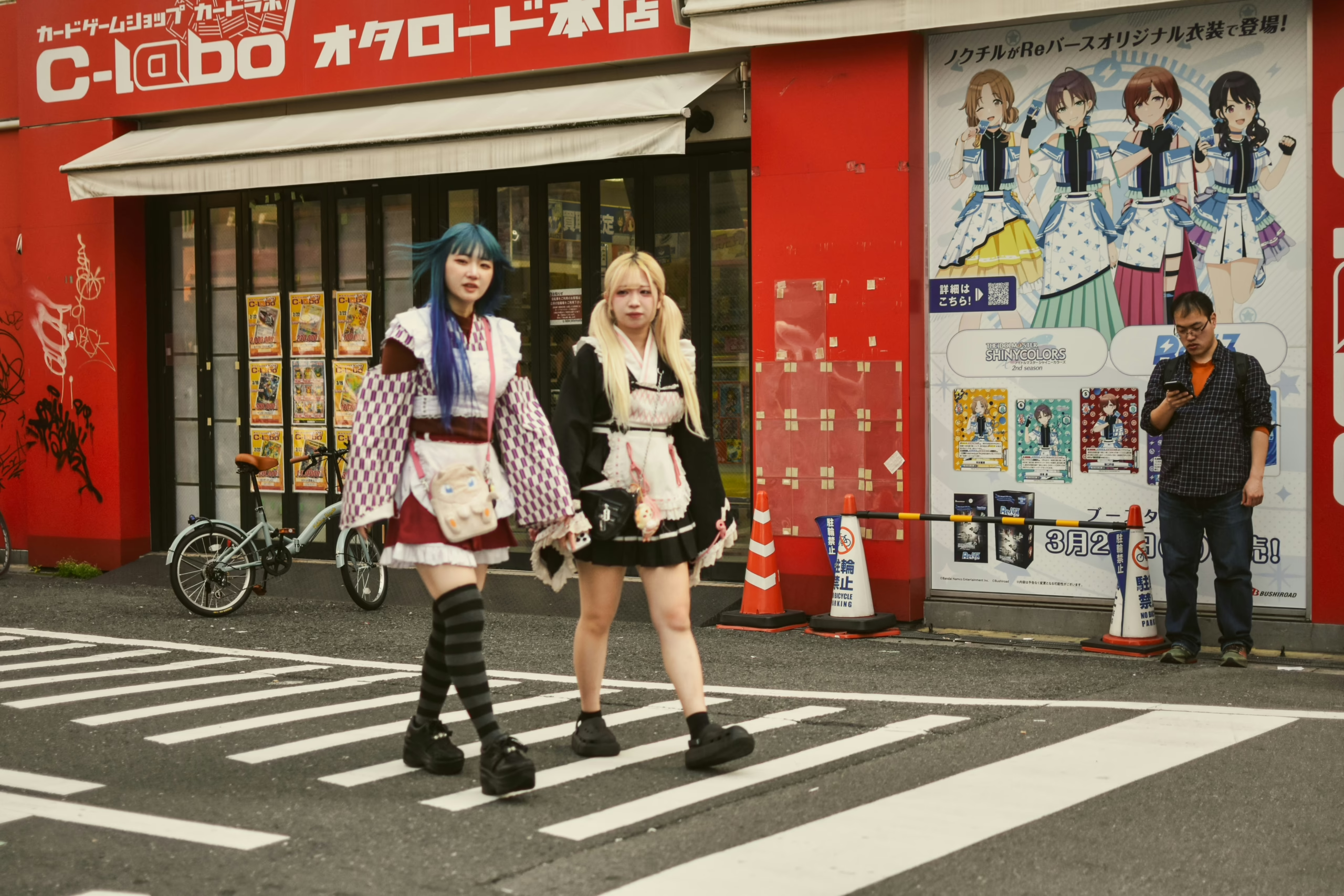
The best-known chain, @home cafe, opened in Akihabara in 2004 and still runs several branches there. Staff greet guests as returning masters and mistresses. Expect an entry charge, a time limit and photos only through a paid snapshot. Some staff speak English, and the menu usually comes with pictures. Afterward, Akihabara’s electronics and hobby stores sit a few steps away.
Butler cafes reverse the format with real restraint. Swallowtail, in Ikebukuro, seats guests in a drawing room where butlers in tailcoats serve tea sets on fine china. Reservations go through its website, and phones and cameras stay away for the whole visit. That rule makes the room feel unexpectedly calm. Many guests come for the tea service alone.
Either way, a few habits keep the visit pleasant. Book ahead where possible, and arrive on time, because sessions run to the minute. Follow the staff’s lead on greetings, even if it feels theatrical. Finally, keep cameras away unless the staff invite a photo. These rooms depend on that trust, and guests who respect it are welcomed back warmly.
You may also like
Around Akihabara and Ikebukuro
If the costumes appeal more than the cafes, Akihabara and Harajuku are the places to look. Our guide to the Tokyo shopping districts covers both neighborhoods street by street. It also explains where the vintage and design stores sit, which makes it easy to plan a cafe stop between shops. Meanwhile, Ikebukuro rewards a slower look of its own. Beyond the butler cafes, its side streets hold bookstores, arcades and some of the city’s best ramen counters, all within a short walk of the station.
Recommended
Animal Cafes: How to Choose a Well-Run One
Animal rooms are among the most popular themed cafes in Japan, and the most uneven. Some care deeply for their animals. Others treat them as props. Before you book, decide which animals you are comfortable visiting. Then judge each cafe by how it treats them rather than by its photographs. Japan regulates animal businesses, but rules cannot measure everything that matters to an animal. Your own eyes, and a few minutes of reading reviews, do the rest. The guidance below starts with the easiest choice and moves to the harder ones.
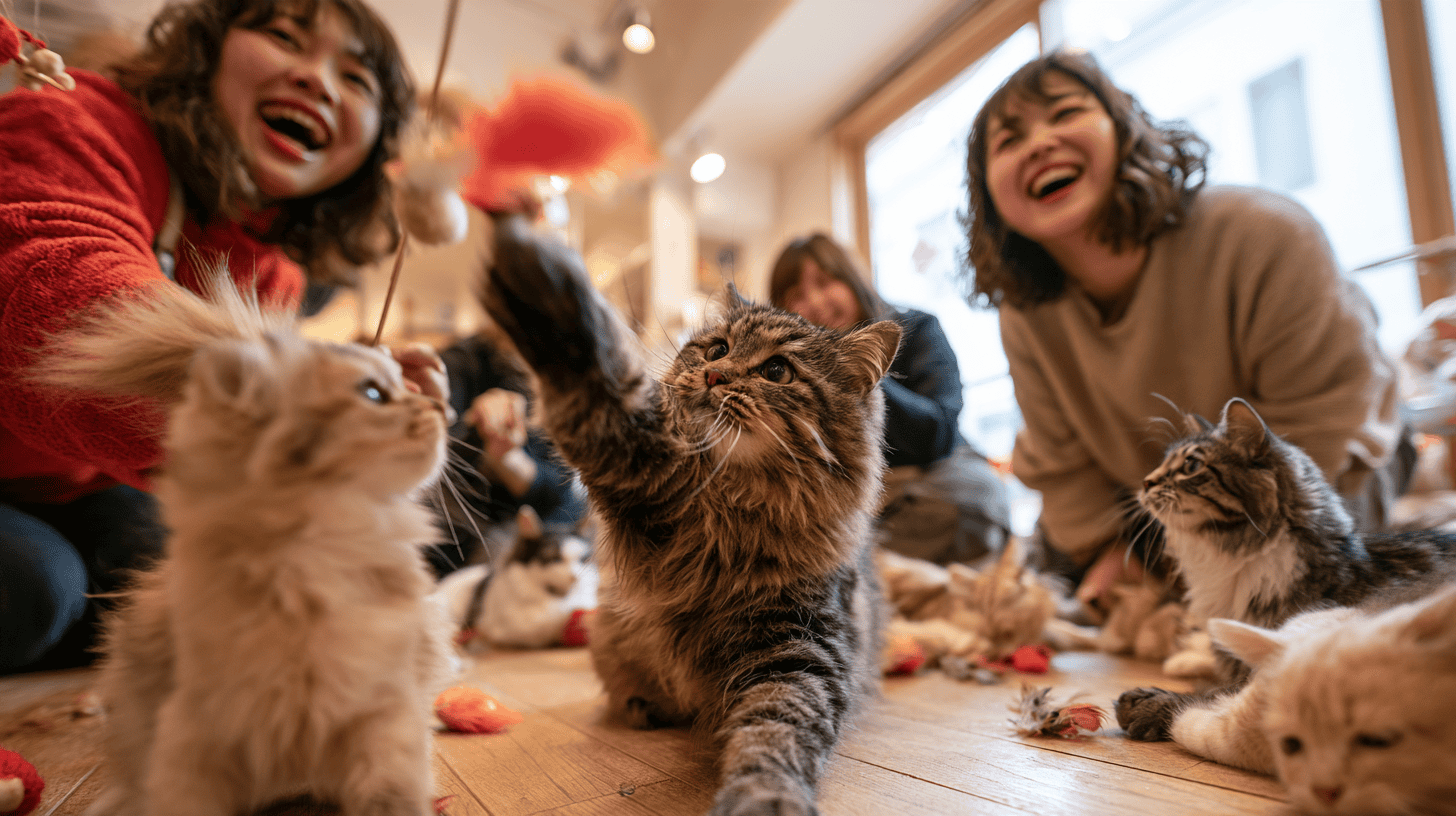
Cat cafes are usually the gentlest choice. In Kichijoji, Temari no Ouchi is designed like a small forest, with perches and tunnels for its resident cats. The cats can retreat to a staff-only area whenever they wish, according to Time Out. Guests sit on the floor, read the rules and wait to be noticed. If you travel with children, our guide to Tokyo with kids lists other gentle outings nearby.
Owls and other wild species
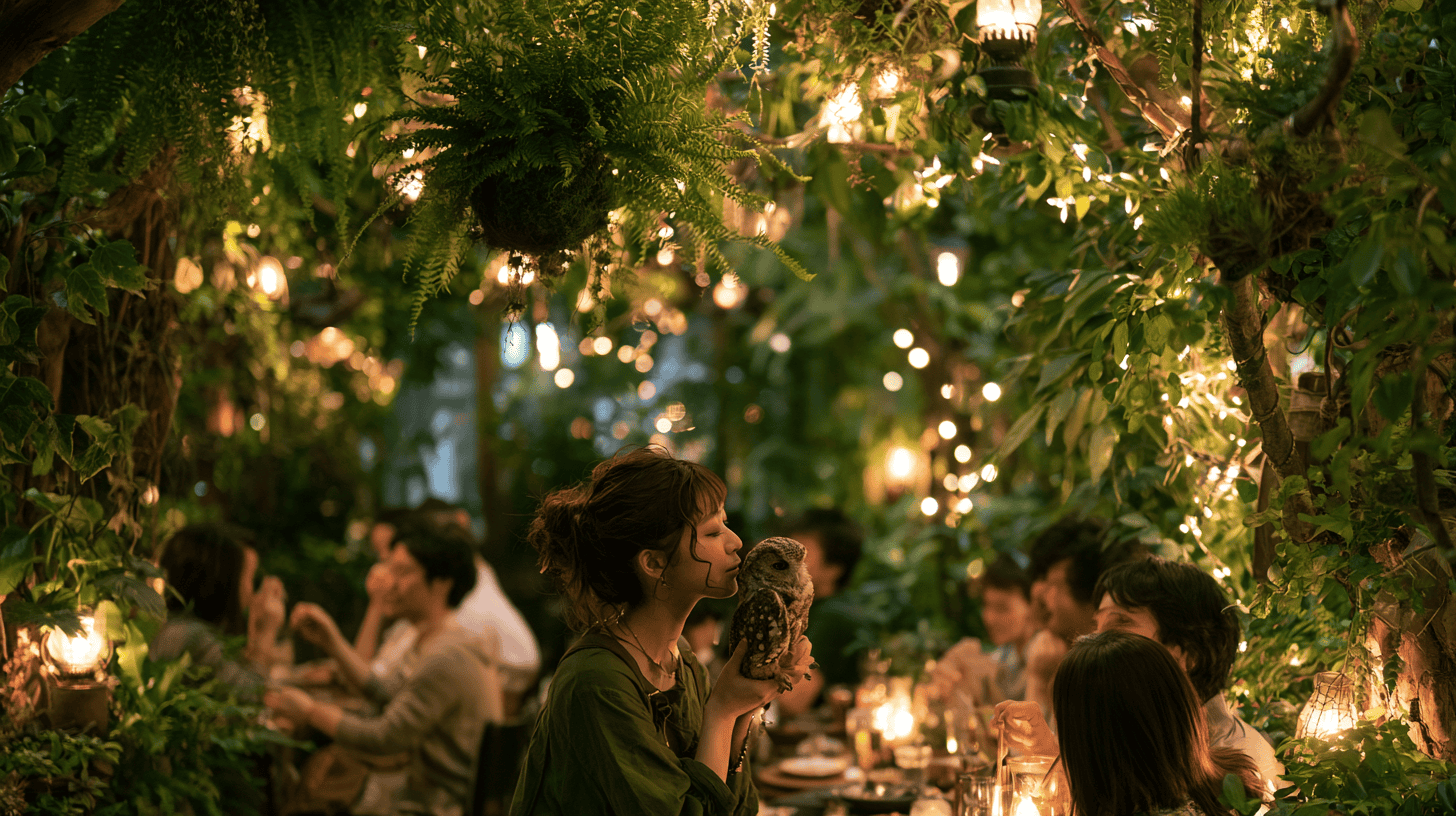
Owl cafes need more thought. Owls are nocturnal and sensitive to noise, so a busy daytime room is hard on them. A 2022 study in the journal Animal Welfare found higher stress hormone levels in cafe owls on open days than on closed days. So if you go, choose a cafe with small groups, short sessions and clear rules on handling. Akiba Fukurou in Akihabara, for instance, takes reservations only and keeps its seating limited and its hours short, to put the owls’ care first.
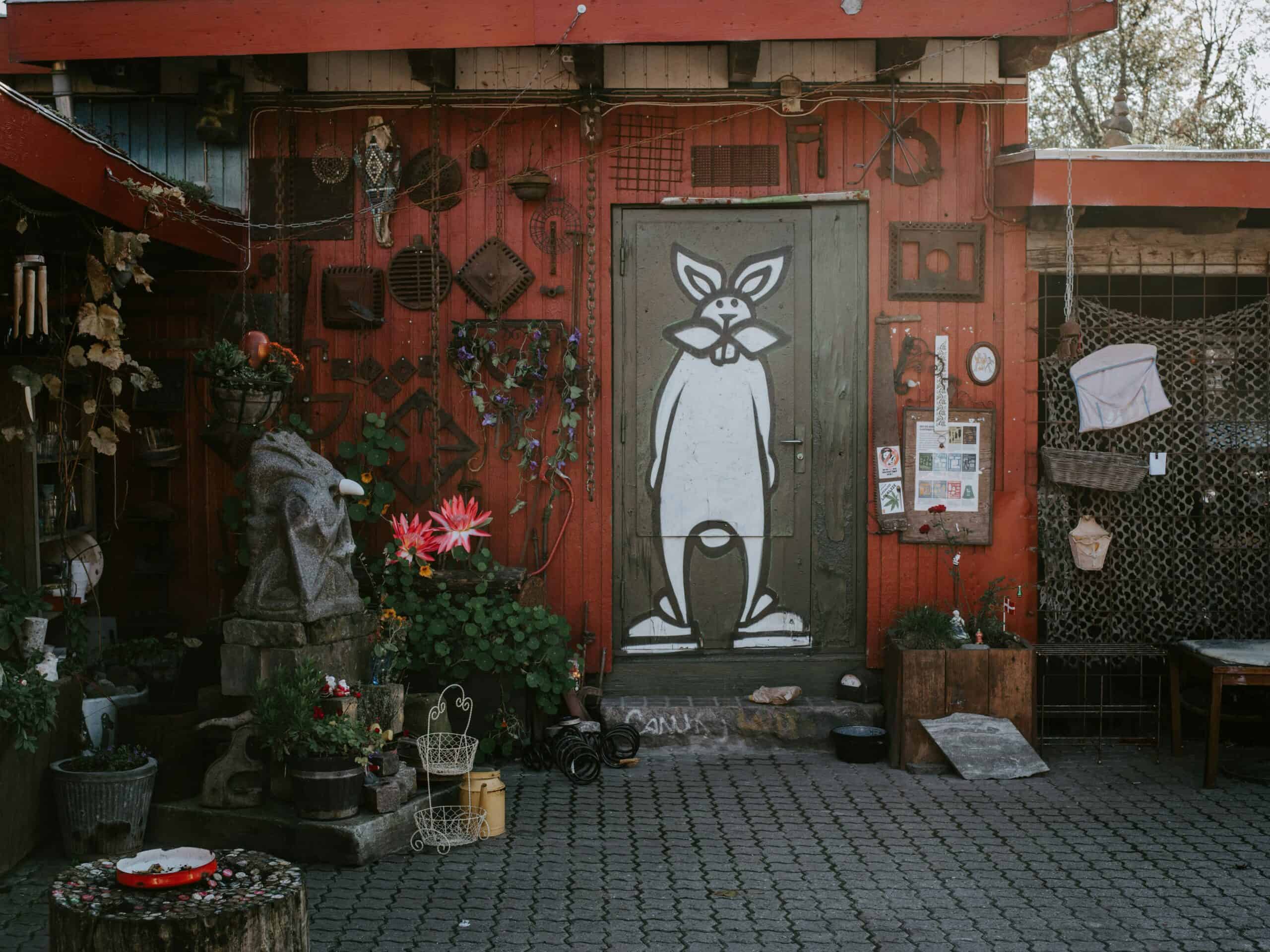
A simple test helps. Do the animals have space to withdraw? Are visitor numbers capped? Do staff stop guests who grab or chase? Are rest days posted? If the answers are yes, book with confidence. If not, skip it, and choose a cat cafe or a garden instead. Your visit is a vote, so spend it on the rooms that earn it. Also watch the animals for a minute before you sit down. Relaxed animals sleep, groom and wander. Stressed ones freeze, hide or pace.
Finally, remember that the best animal encounters in Japan often happen outside cafes altogether. Deer wander freely through Nara’s parks, and cats doze in the lanes of Yanaka in Tokyo. Neither costs anything beyond a train ticket, and neither involves a timed session. So if a cafe feels wrong when you arrive, leave without guilt. A walk through one of those neighborhoods will give you the same pleasure, on the animals’ own terms, and usually with a better coffee waiting nearby.
Ten Proverbs to Carry With You
A printable folio of ten Japanese proverbs, each set in kanji with its reading and a line on where you will hear it.
Dessert and Design Cafes
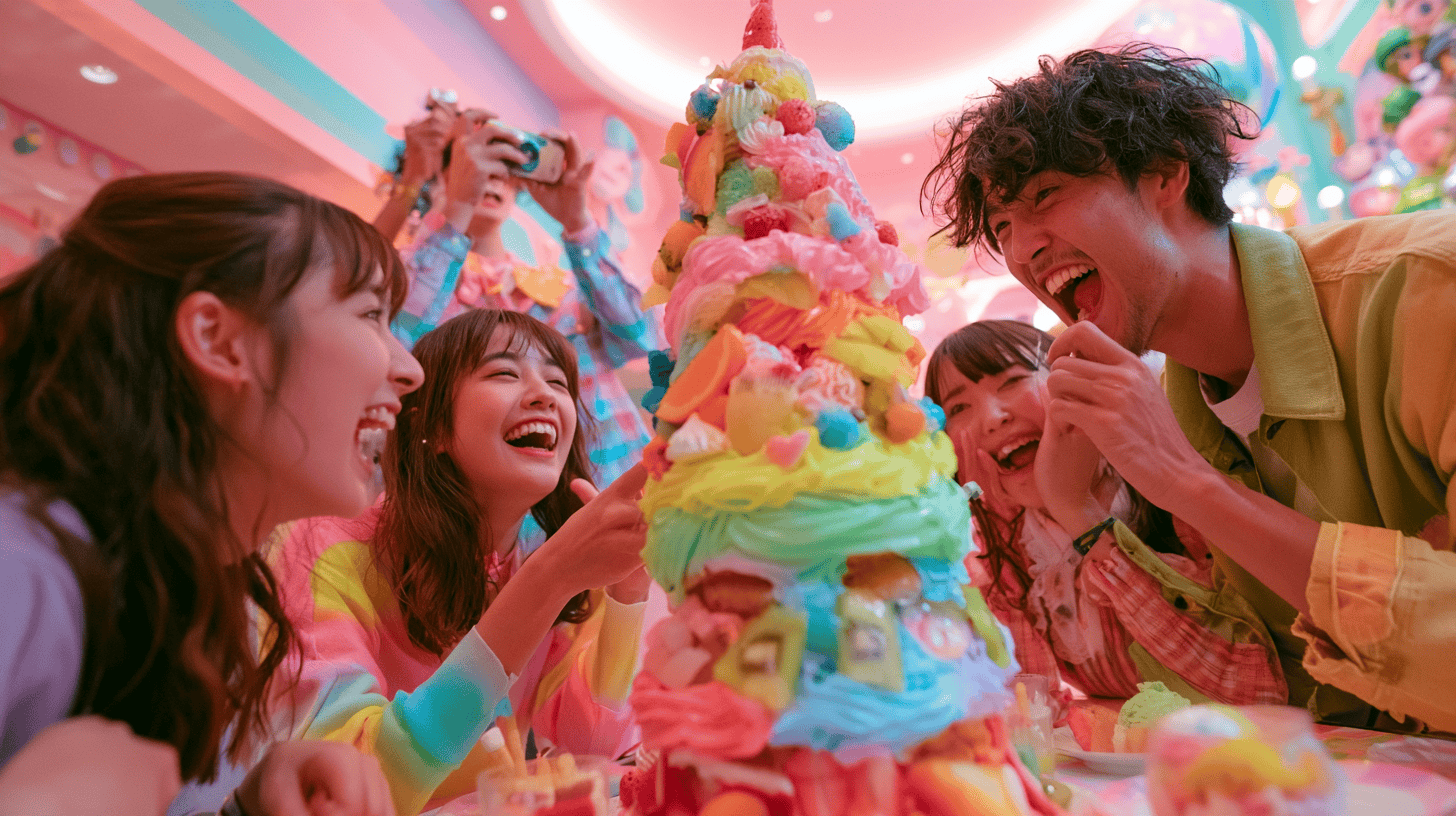
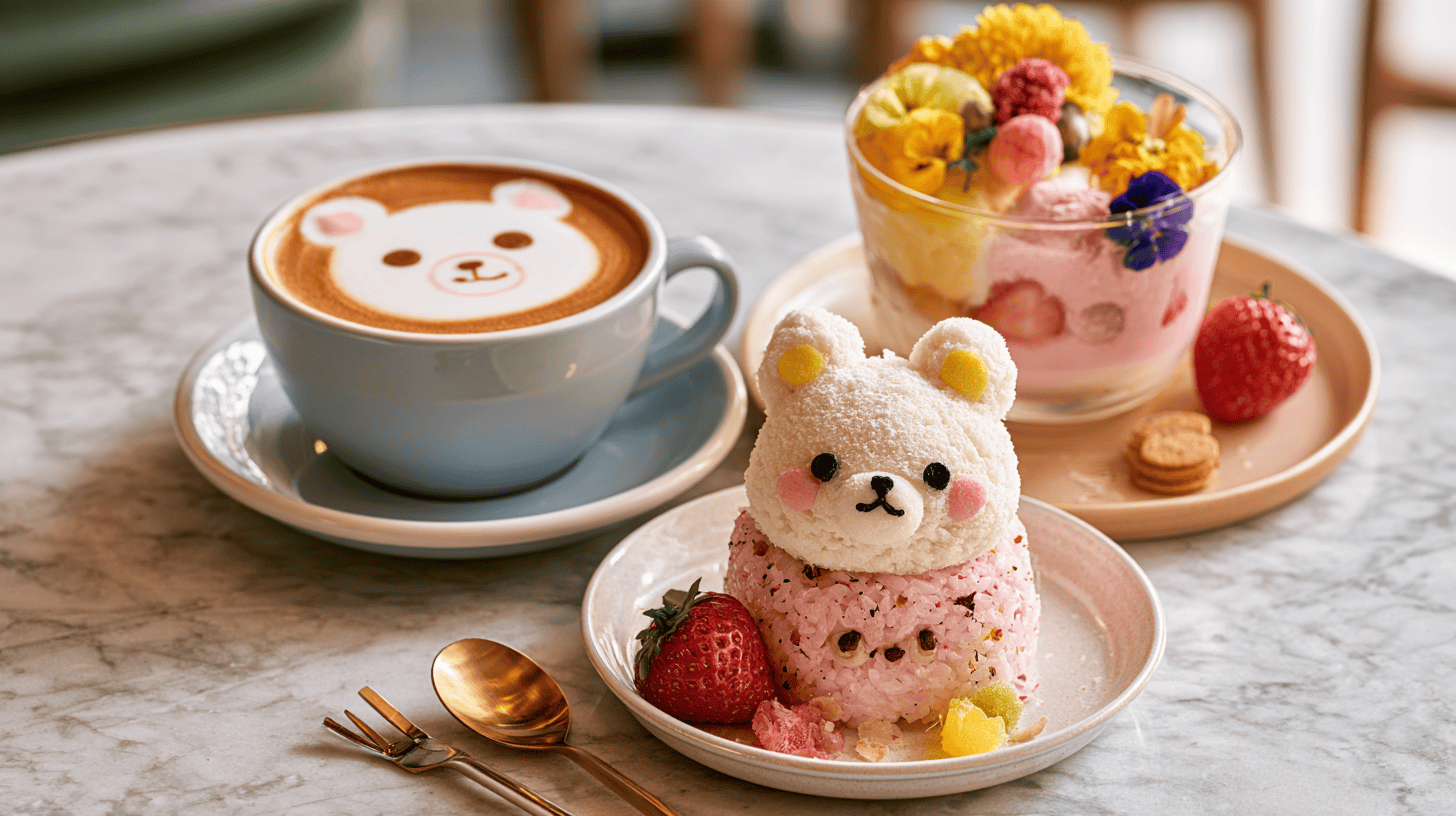
Some themes live entirely on the plate. Dessert rooms are the most photographed themed cafes in Japan, and Tokyo leads the way. Its dessert cafes turn latte foam into bears and parfaits into small sculptures. These rooms are easy to love and easy to photograph. The trick is to choose ones where the food tastes as good as it looks. That usually means a short menu, a busy kitchen and a line of locals at the door. Weekday afternoons are the easiest time to get a seat.
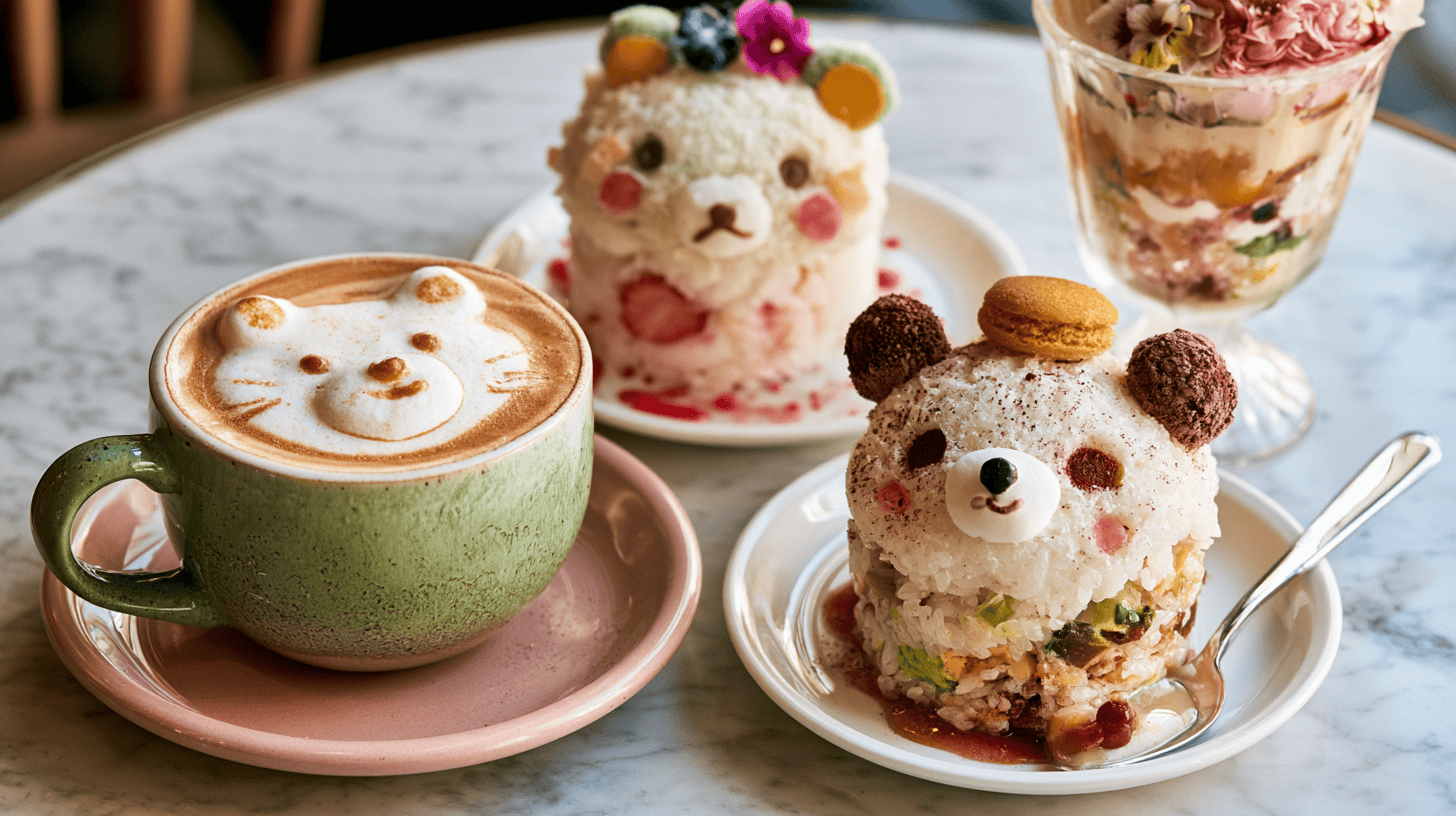
Parfaits deserve their own mention. In Japan they are tall, layered and seasonal, often built around melon, peach or chestnut. Fruit parlors serve them with the care of a jeweler. Order one in the afternoon and share it, since a single parfait can easily feed two. Then walk it off, because the best parlors sit in neighborhoods made for strolling. Seasonal menus change every few weeks, so a parfait in May will look nothing like one in October. That rhythm is part of the appeal.
Design cafes take the opposite approach. They strip the room back to pale wood, concrete and a single good cup. The theme is restraint itself. Many sit in Kiyosumi, Nakameguro and Kuramae, close to roasters and small galleries. Spend a morning moving between two of them, and you will see how seriously Tokyo takes a simple coffee.
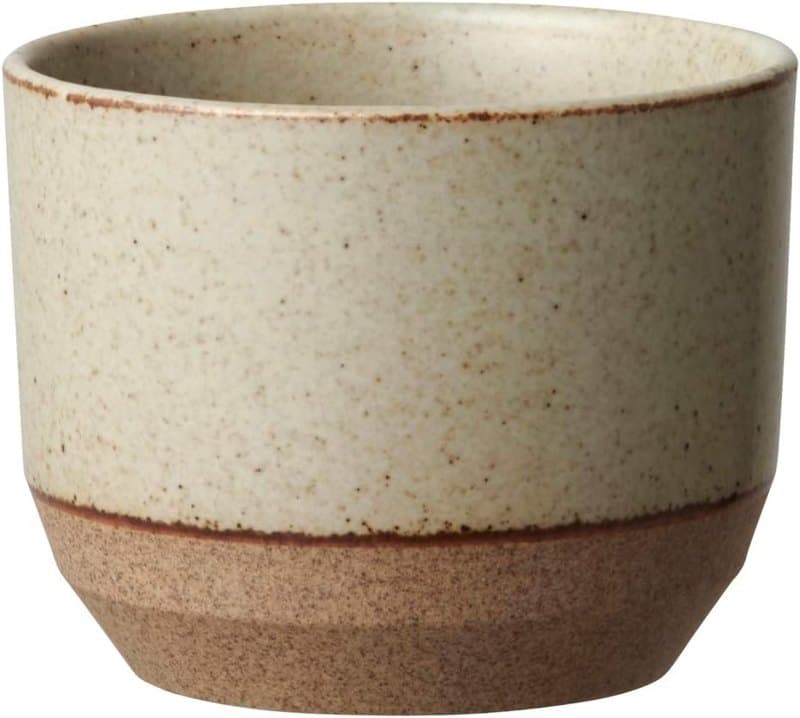
Those rooms often serve in thin, pale ceramic. The KINTO CLK-151 coffee cup from the Japanese homeware studio Kinto has that same soft, matte look. Its size suits a single pour-over. As a result, a morning coffee at home starts to feel like the counter you remember.
You may also like
Matcha cafes
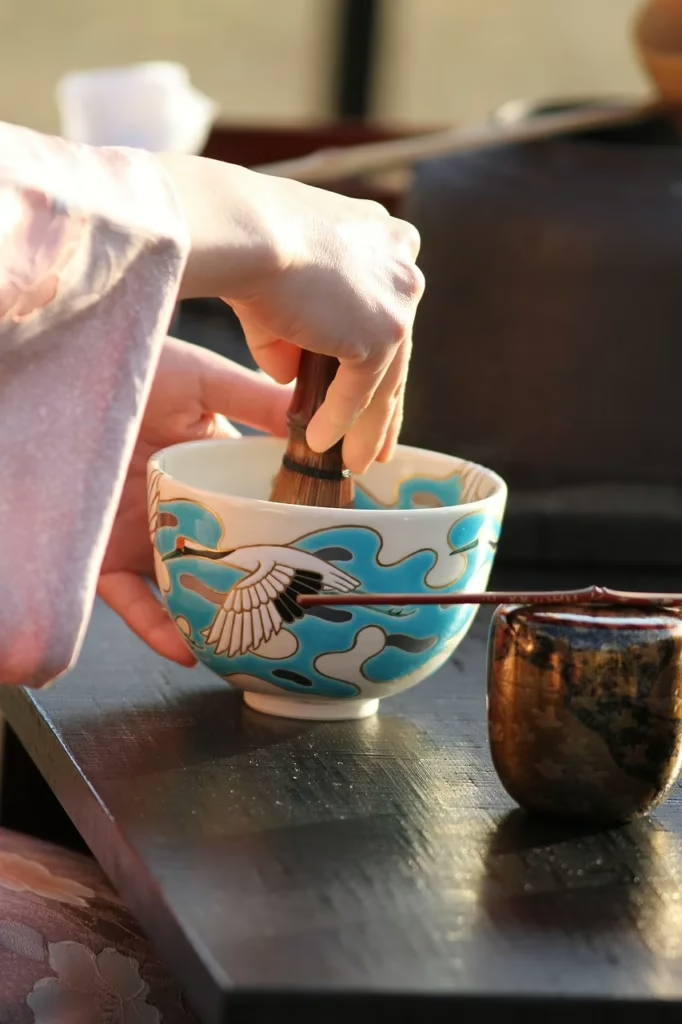
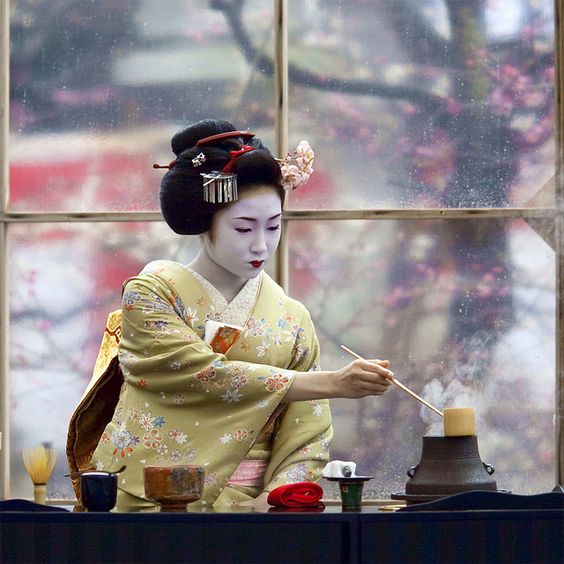
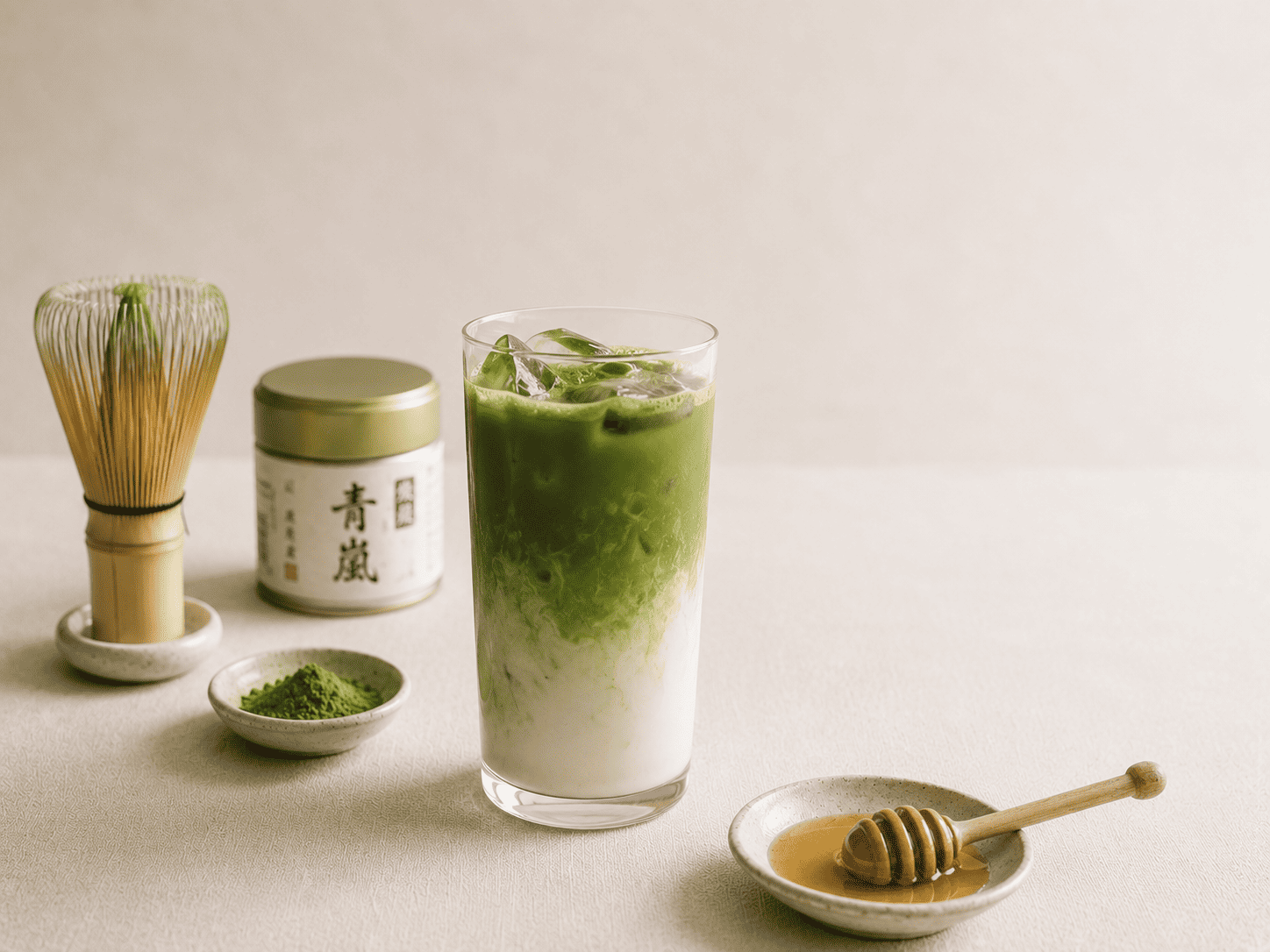
Matcha is the other great dessert theme. Cafes whisk it into lattes, fold it into soft-serve and layer it through parfaits. Quality varies, so look for rooms that name their tea farm or blend. A good matcha tastes grassy and sweet rather than bitter, and its color stays bright. If you want to understand the tea itself, our guide to traditional Japanese food places matcha within the wider table. Kyoto’s Uji district remains the benchmark, although Tokyo cafes now source from many regions.
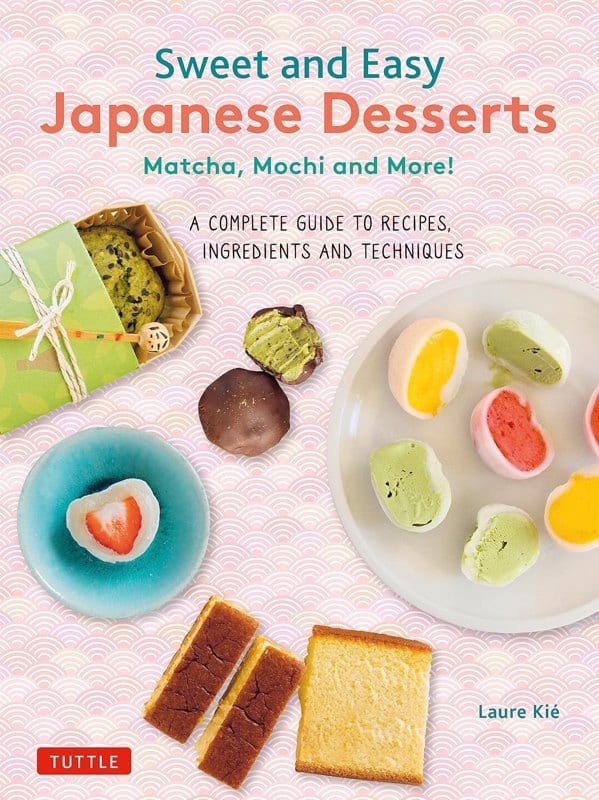
To recreate the plates at home, Sweet and Easy Japanese Desserts covers matcha, mochi and other cafe classics with clear steps. It is a practical book rather than a coffee-table one. That is exactly what you want in the kitchen, with flour on your hands.
Book and Concept Cafes
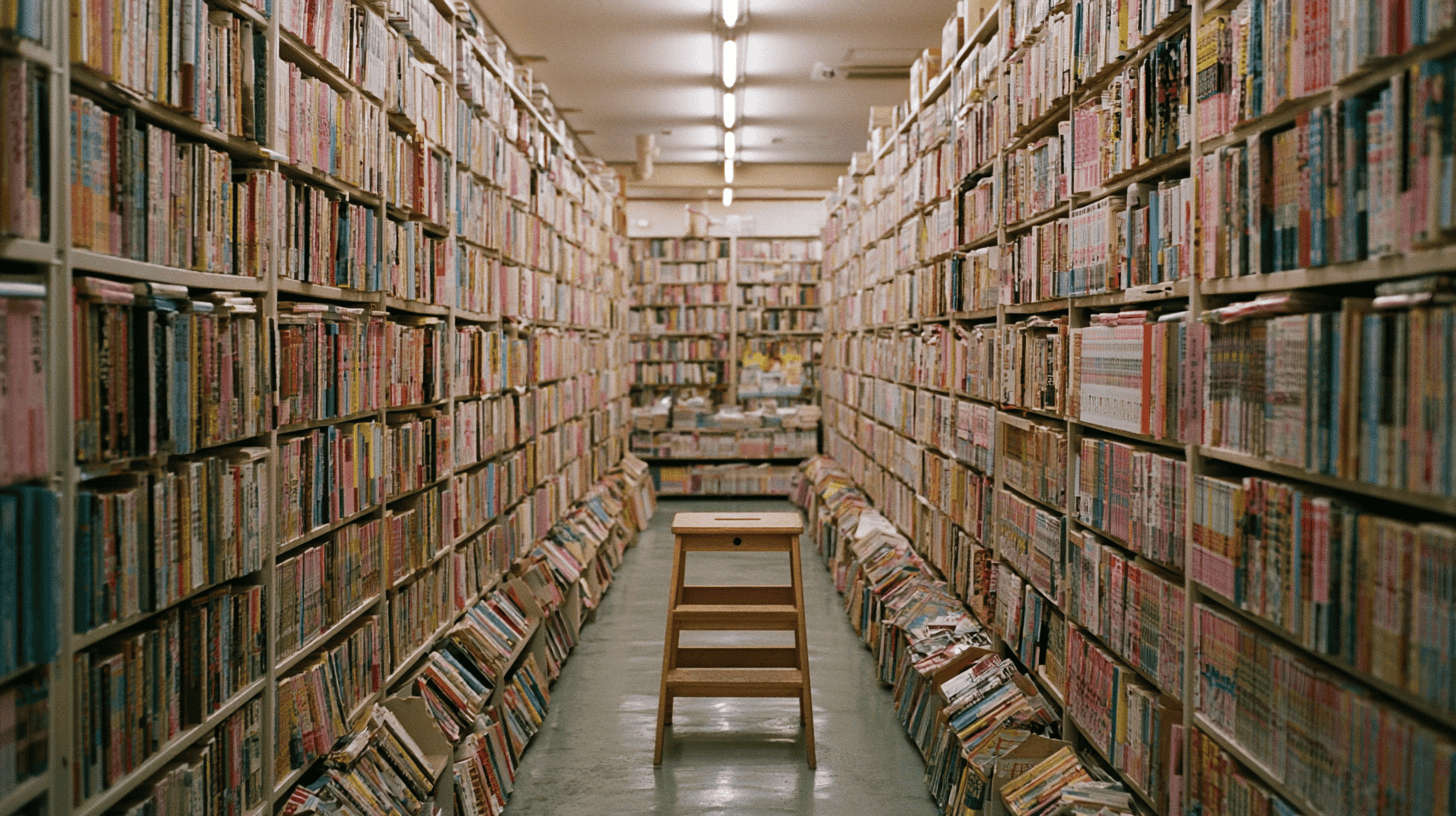
Not every theme is loud. Some of Tokyo’s best concept cafes are built around reading. Bunkitsu in Roppongi is a bookstore that charges an entry fee. In return, you get a long table, a deep selection and coffee and green tea included. Many visitors stay for half a day, reading slowly with a notebook open.
Other concept rooms change with the seasons. Pop-up cafes appear for exhibitions, design weeks and anniversaries, then vanish. Character cafes tied to studios and franchises run the same way, often with reservation lotteries weeks in advance. They suit devoted fans. For everyone else, a book cafe or a kissaten offers more of Japan per hour.
Museums carry the concept idea further. Several of Tokyo’s smaller collections run cafes that extend the exhibition onto the menu. Our guide to unusual museums in Tokyo lists the ones worth pairing with a coffee. Meanwhile, the neighborhood around Bunkitsu has galleries open late, which makes Roppongi a fine evening for readers.
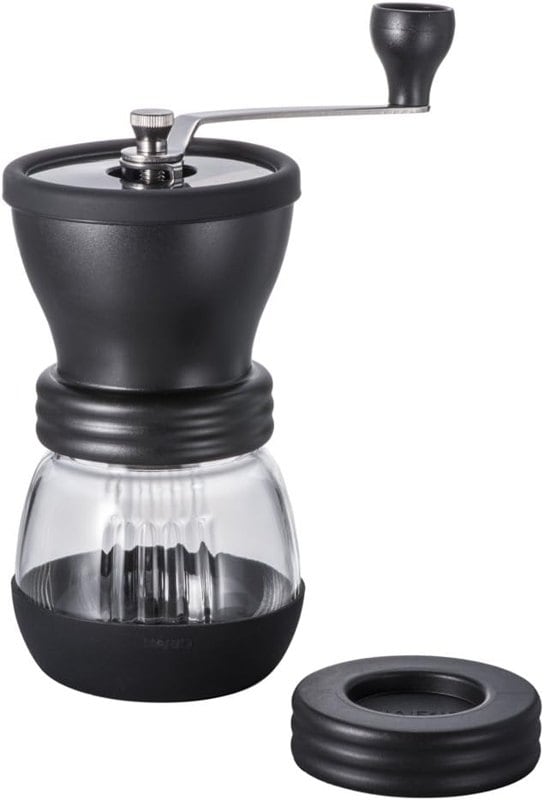
Book cafes often grind beans to order, and the sound becomes part of the room. At home, the Hario Skerton ceramic coffee mill brings back that slow ritual. Its ceramic burrs grind evenly by hand, which suits a pour-over. The turning also gives you a minute to settle, much like the first page of a book.
Themed Restaurants After Dark
When evening comes, the themes move into restaurants. Vampire Cafe in Ginza has served Gothic courses since 2001, in a dramatic dark interior. Staff wear elaborate costumes, and the menu leans into the theme without losing its cooking. It marked its twenty-fifth anniversary in 2026. Book ahead, especially in October, when the theme reaches its season. Dress up a little if you like, since many guests do. The room rewards a slow dinner and a late cocktail rather than a quick visit.
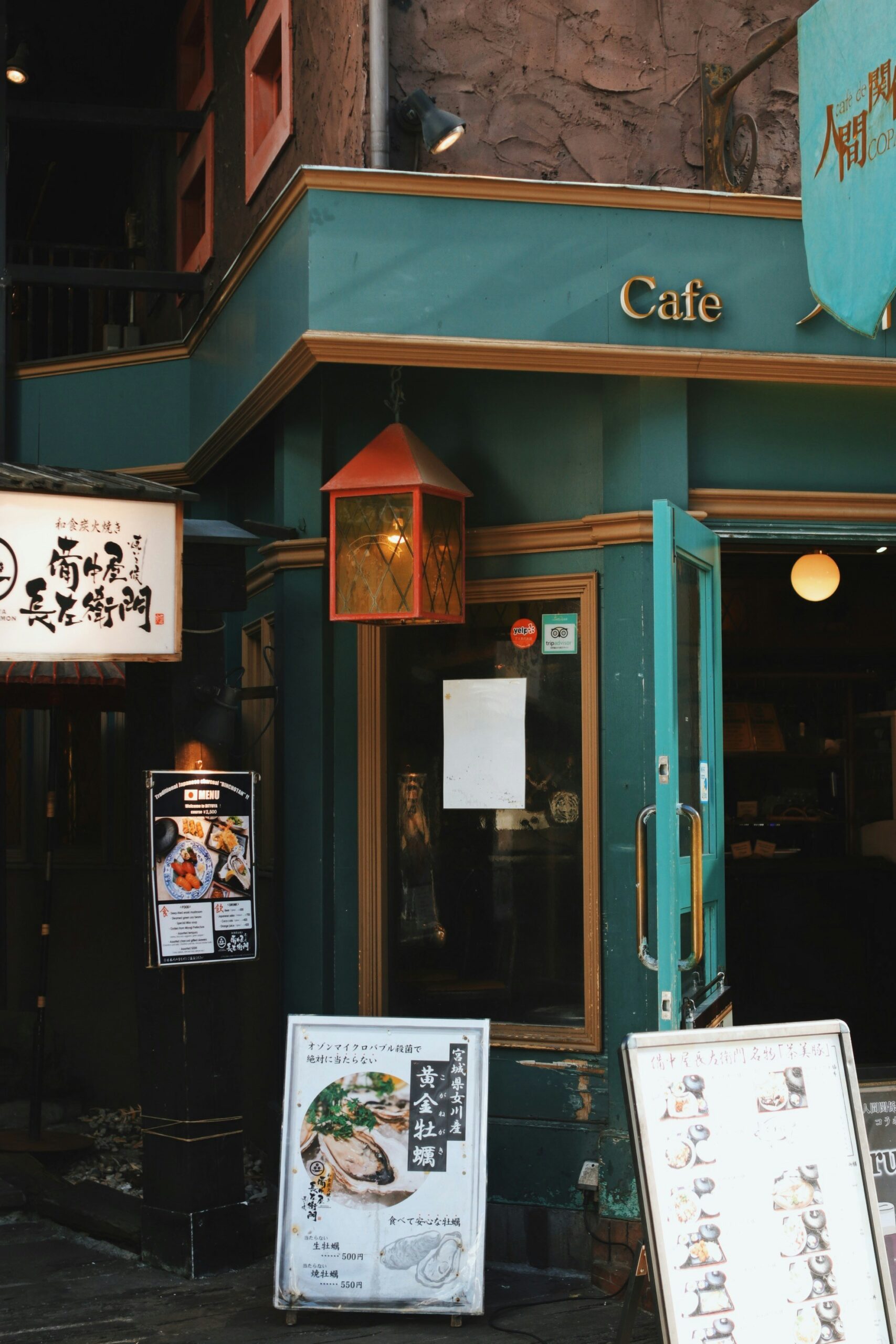
Sumo, ninja and samurai restaurants also exist, though quality varies widely. Some offer real cooking with a show. Others are mainly a show. Read recent reviews and confirm the venue is still open, because themed restaurants open and close quickly. For theater with a stronger meal, a counter seat at a good izakaya often wins.
That counter can be a theme of its own. Our guide to the izakaya, the Japanese pub explains how to order, what to expect and where the best lantern-lit streets are. Then follow dinner with a nightcap nearby. The evening flows more naturally than any staged show.
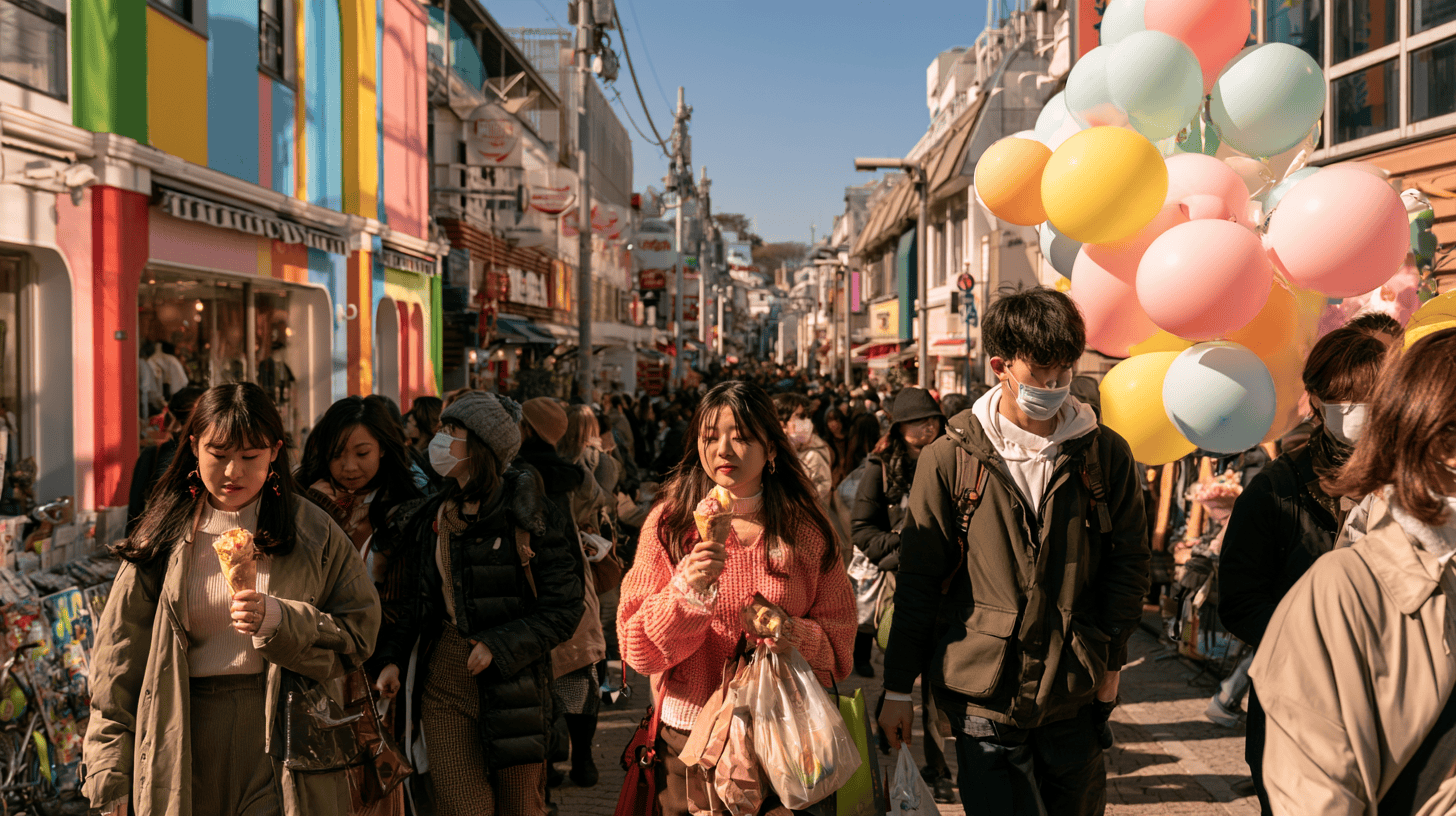
Daytime themes and evening themes also combine well. A dessert cafe in Harajuku at four, a walk down Omotesando at dusk and a themed dinner in Ginza at seven make a full, varied day. The three neighborhoods sit close together on the Ginza Line. Keep the dinner booking firm and the afternoon loose. That way, a long queue at the parfait counter never threatens the evening, and the day keeps its easy shape from the first coffee to the last course.
You may also like
Planning a Themed Cafe Day in Tokyo
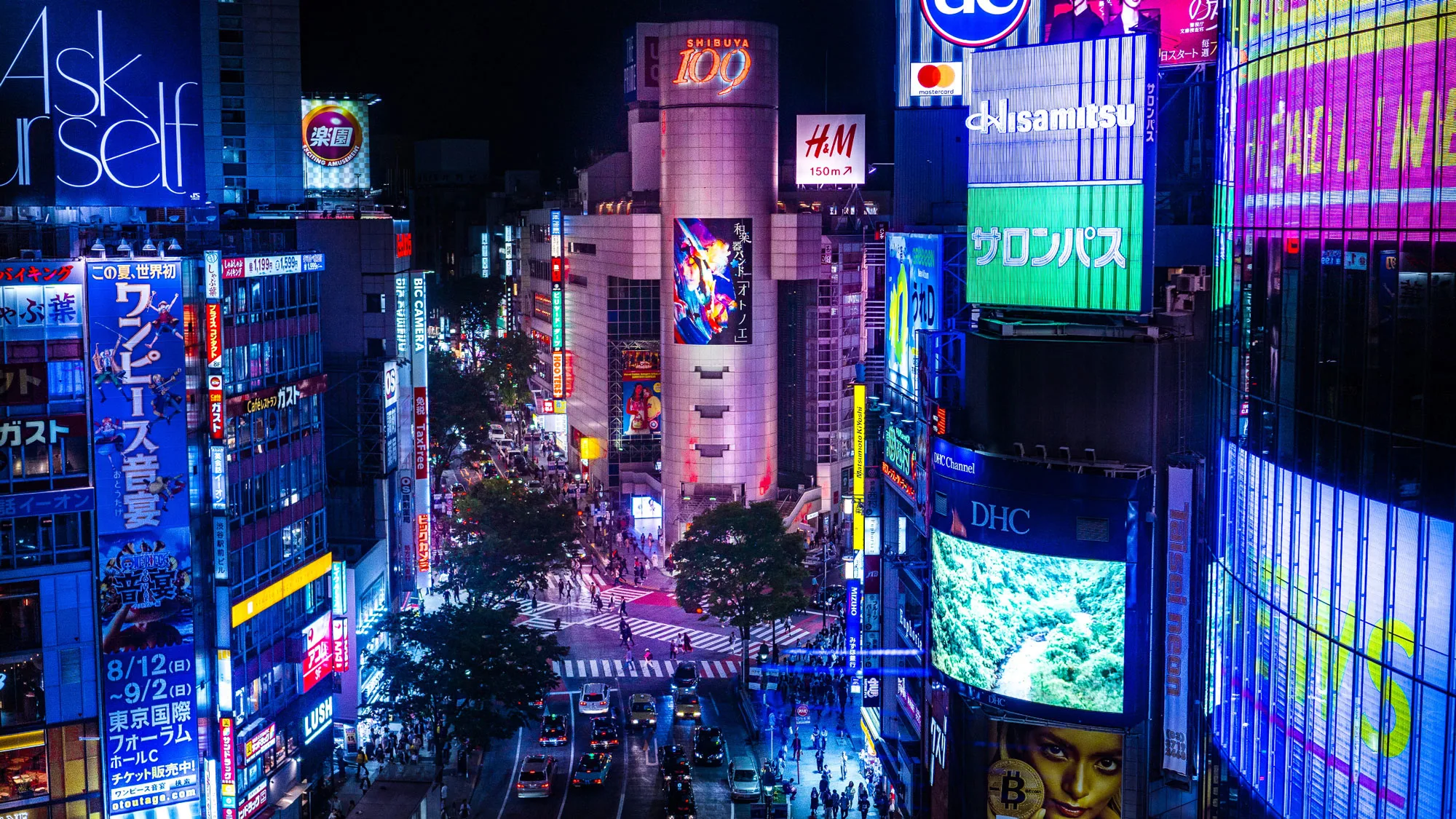
Most themed cafes cluster in a few neighborhoods, which makes planning easy. Akihabara holds the maid cafes and owl rooms. Ikebukuro has the butler cafes. Ginza mixes old kissaten with evening themes, while Harajuku and Shibuya lead for desserts. Nihonbashi has the avatar robots. Pick two areas per day, at most.
Booking matters more than in a normal cafe. Many themed rooms sell timed slots online, and popular ones fill weeks ahead. Seating charges and time limits are common, so read the house rules before you arrive. Some rooms admit only older children, and a few set an age limit for every guest. Check each one when you book.
Photos deserve a final word. Each room sets its own policy, and staff enforce it politely but firmly. Ask before you shoot, never photograph other guests, and turn off the flash around animals. Respecting these rules keeps themed cafes in Japan pleasant for everyone, including the next traveler in line.
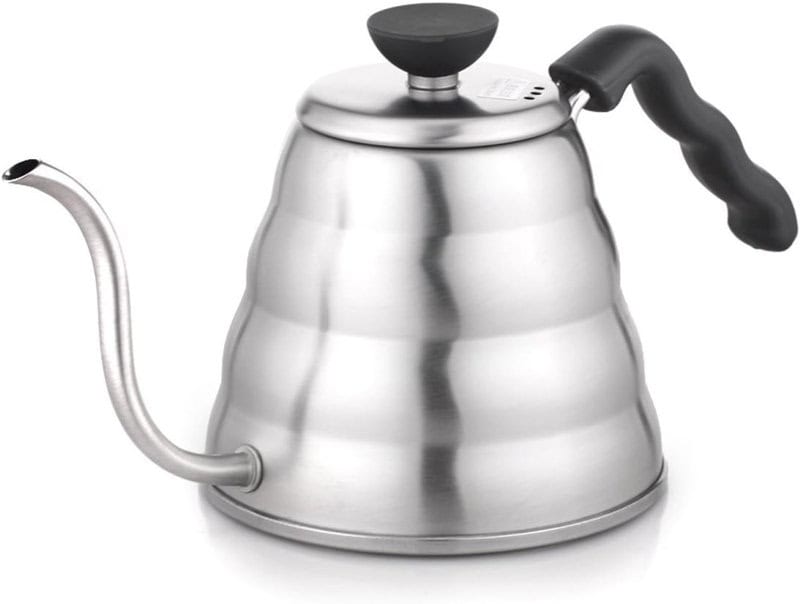
Lastly, think about what you carry home. The cafes themselves cannot travel, but the brewing habit can. A slim-spouted kettle completes a pour-over set. The Hario V60 Buono kettle pours in the thin, steady stream that hand-drip brewing needs. You will recognize its curved spout from counters across Tokyo.
Pacing matters too. Two themed cafes in one afternoon feel like a treat. Four feel like an amusement park. So balance a playful room with a calm one, and leave space for a walk between them. That rhythm shows you more of the city than any single theme ever could.
Questions Worth Asking
What are the best themed cafes in Japan?
It depends on your taste. For nostalgia, try a kissaten such as Café de L’Ambre in Ginza or François Kissashitsu in Kyoto. For something new, Avatar Robot Cafe DAWN in Nihonbashi stands out. Butler cafes in Ikebukuro suit a formal tea, while a well-run cat cafe suits a gentle afternoon.
Do I need a reservation for themed cafes in Tokyo?
Often, yes. Popular rooms sell timed slots online, sometimes weeks ahead. Maid cafes usually take walk-ins with a queue, while butler and owl cafes expect bookings. Kissaten rarely take reservations, so arrive early or late to avoid a wait.
Are animal cafes in Japan ethical?
Standards vary widely. Cat cafes where the animals can withdraw to a private space are generally the kindest choice. Owl and other wild-animal cafes raise more concerns. Look for capped visitor numbers, short sessions, posted rest days and staff who stop rough handling.
Do themed cafes charge an entry fee?
Many do. Maid and animal cafes typically charge an entry or seating fee, plus a drink order and a time limit. Butler cafes sell set courses instead. Kissaten charge only for what you order, which makes them the easiest choice for a short stop.
Can I take photos inside themed cafes?
Rules differ by room, so ask before you shoot. Across themed cafes in Japan, maid cafes usually allow photos of your food or a paid snapshot only. Butler cafes ban cameras and phones entirely. Animal cafes often allow photos without flash. Never photograph other guests.
Is the Robot Restaurant in Tokyo still open?
No. The Robot Restaurant in Shinjuku closed during the pandemic and did not reopen. For robots today, visit Avatar Robot Cafe DAWN in Nihonbashi, where remote pilots steer OriHime robots that serve guests and chat with them.
Questions answered, one habit is worth keeping. Themed cafes are, in the end, about seeing a familiar thing with fresh eyes. A cup of coffee becomes a ceremony, a robot becomes a colleague, and a cat becomes the host. That way of looking travels well. Write a line or two each evening about the room you entered and what surprised you. Those notes will outlast the photos. The journal below was built for exactly that kind of first encounter.
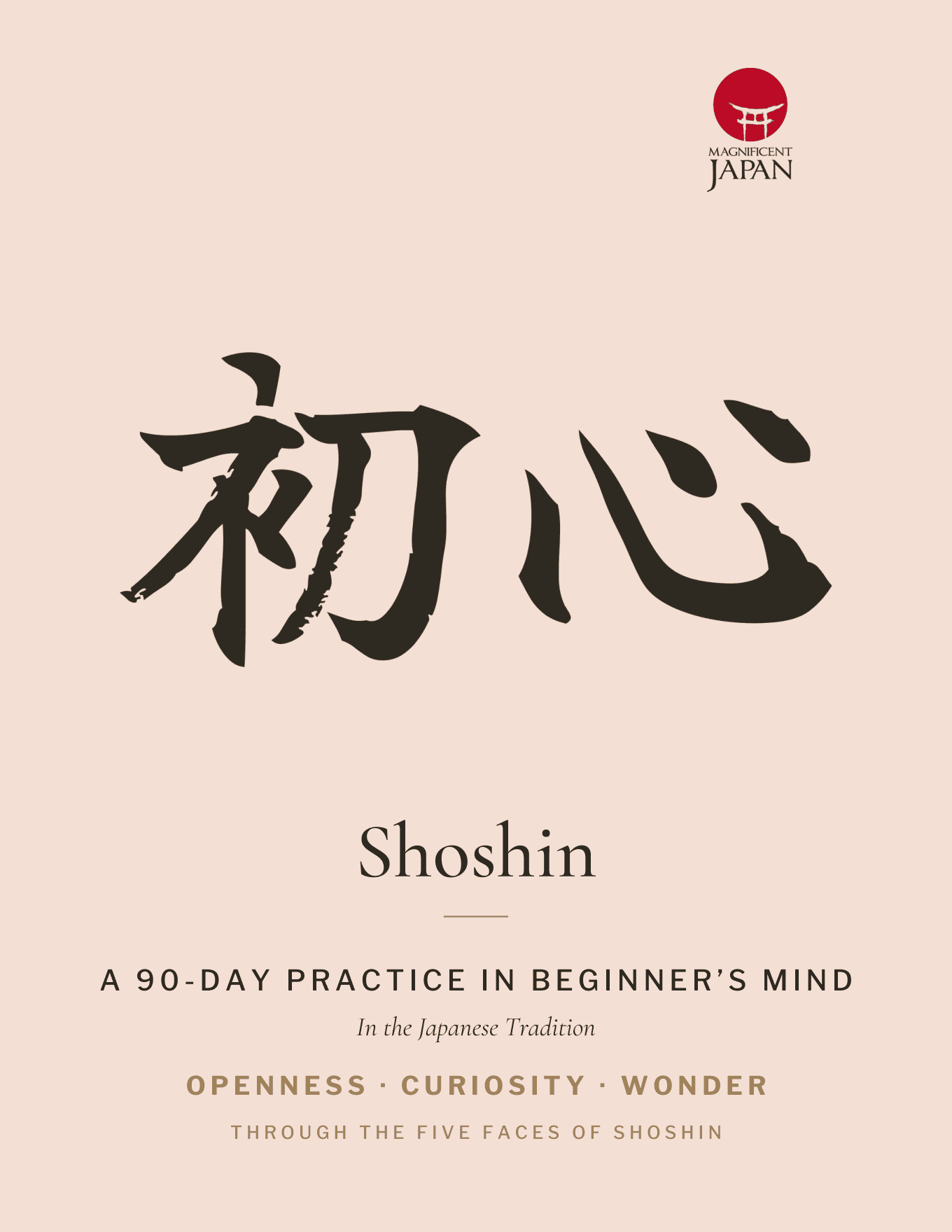
Shoshin means beginner’s mind, the habit of meeting each place as if for the first time. This 90-day guided journal turns that idea into one short prompt a day, ideal for a first trip to Tokyo and the weeks after it. It comes as a write-on digital edition, and it is one of eight journals in the Cultural Reflection Collection.
View The CollectionA Cafe Is a Small World
Strip away the costumes and robots, and every good themed cafe does the same thing. It builds a small, complete world and invites you in for an hour. The kissaten owner does it with a record and a kettle. The butler does it with a teapot and a bow. Even the cat cafe does it, one sunny shelf at a time.
So treat themed cafes in Japan as a way into Japanese taste rather than a list to tick off. Choose one nostalgic room and one playful room per day. Book the ones that need it, and leave space for the cafe you stumble into on a side street. That last one is often the best of all.
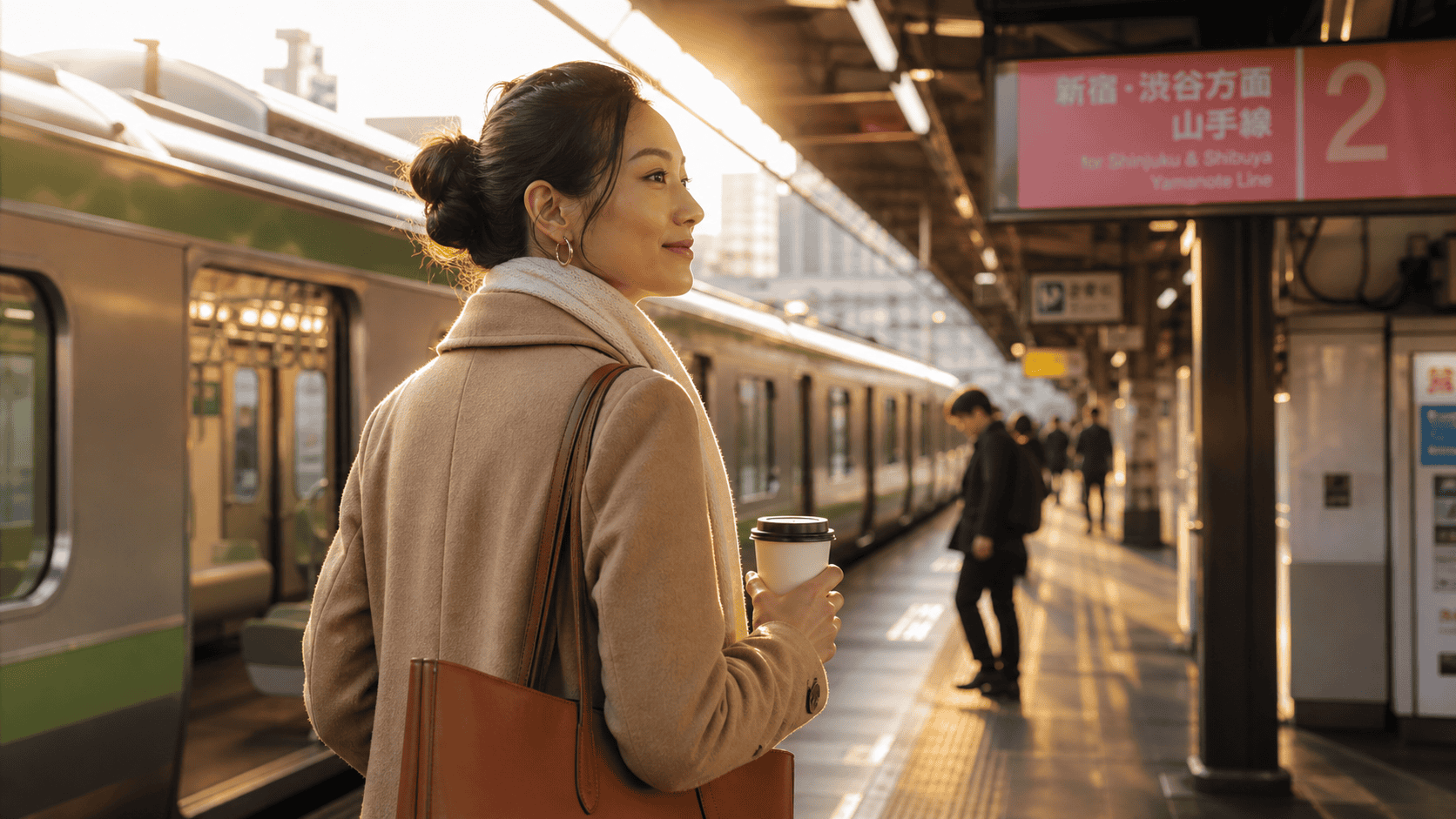
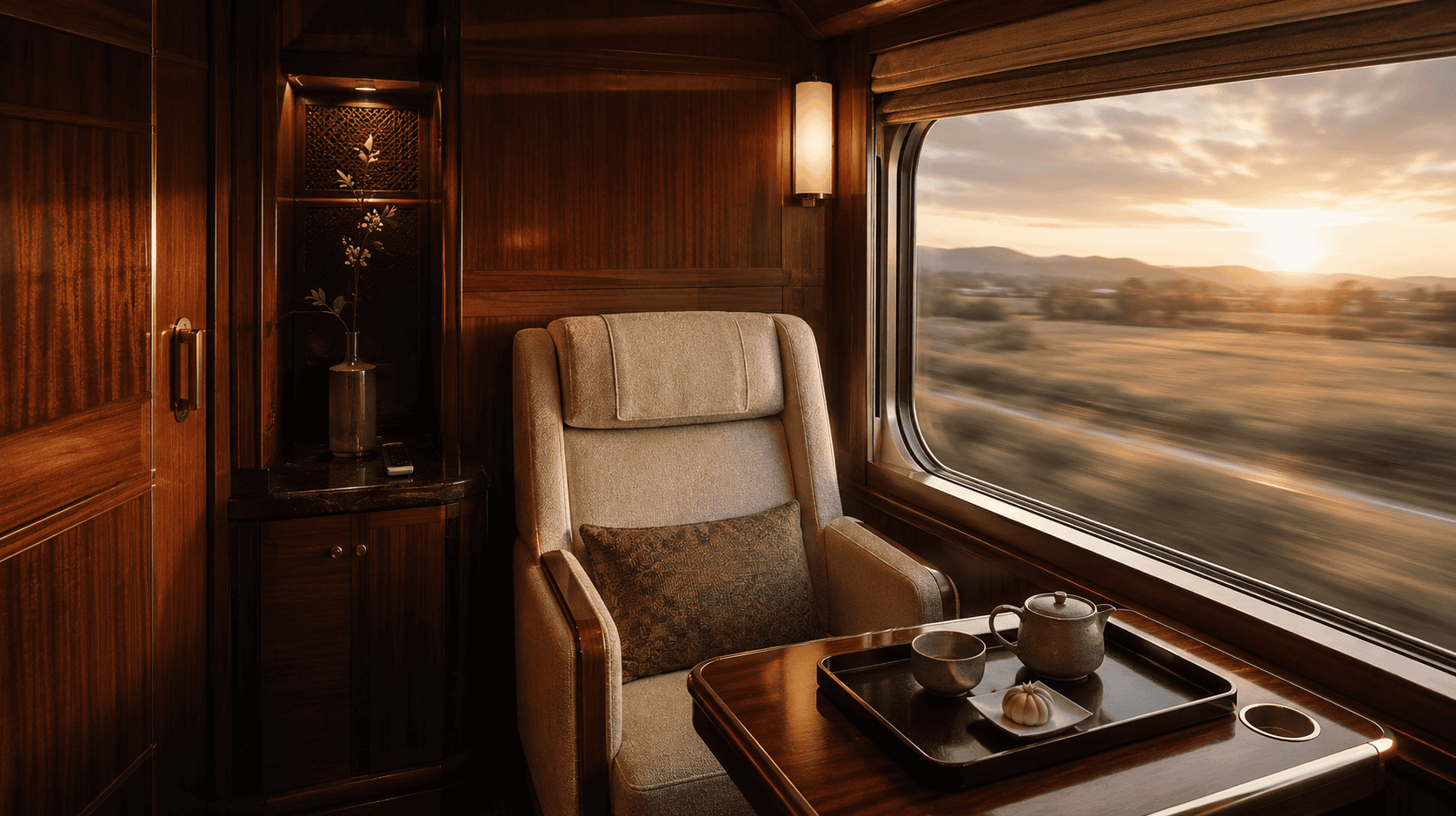


One last thought before you go. The most rewarding cafe days in Japan are rarely the busiest ones. They come from choosing rooms that match your mood, booking the few that need it and leaving time to wander. Would you like those choices made for you? Our travel designers can reserve the butler’s tea, the robot session and the kissaten counter. They build each one into a wider Japan trip, matched to the way you like to travel.
The Editors, Magnificent Japan
For the traveler who wants the playful and the precise in one trip: a custom itinerary that books a butler’s tea service in Ikebukuro, a morning at a Ginza kissaten and a robot-served coffee in Nihonbashi, with time to wander between them. Each day is matched to a neighborhood and a mood, with your hotel close by.
Plan Your Custom Japan Itinerary